Sponsored content by SEVA
PRP injections for facet joint back pain: promising, not proven
A structured narrative review of six clinical studies found early signs that PRP may outlast steroid and anesthetic injections for facet joint pain, but the evidence is small and inconsistent.
Reporting on an item first published by pubmed.ncbi.nlm.nih.gov. See Sources.
This article is general health information written by our editors from the sources listed below. It has not yet been medically reviewed — see our medical review policy. It is not advice for your situation.
If your low back pain comes from the small facet joints in your spine, you may have heard about platelet-rich plasma (PRP) injections. A new review of six clinical studies concludes that PRP is a promising option for this kind of pain, though not yet an established one.
The researchers found early hints that the benefits of PRP may last longer than those of steroid or numbing injections. But the studies were few and small, and they were done in different ways, so the findings are best read as a starting point rather than a final answer.
Why facet joint pain and PRP are drawing attention
The facet joints are small paired joints at the back of the spine that help guide how the vertebrae move. Pain arising from these joints in the lower back is one of the common drivers of long-term disability across the globe.
PRP has shown efficacy for back pain that comes from the spinal discs, known as discogenic pain, but its place in treating facet joint pain has been much less clear. PRP is generally prepared from a sample of a person's own blood, concentrated so it contains more platelets, which carry substances involved in healing.
That uncertainty is what this review set out to examine. Its findings may interest anyone who has had facet injections before and wondered whether other options exist.
How the reviewers gathered six studies
The authors searched PubMed, a large database of medical research, in October 2024 for studies published from 2014 through 2024, and later added one more eligible study from 2025. They included clinical studies in which PRP was injected into the lumbar (lower back) facet joints or the tissue around them to treat pain coming from those joints.
In total they found six studies, and only one was a randomized controlled trial, the design in which patients are assigned to treatments by chance. The rest used designs that are generally considered weaker for judging whether a treatment works. The group included:
- A single randomized controlled trial
- A controlled study that followed patients forward in time but did not randomize them
- Two prospective case series, which track treated patients without a comparison group
- A retrospective observational study, which looks back at past records
- A small case series
How PRP compared with steroid and numbing injections
According to the authors, the most direct comparisons in this group suggest that PRP may provide relief that lasts longer than an injection of local anesthetic, a numbing medicine, combined with a corticosteroid. A 2025 study that followed patients forward in time without randomizing them also pointed to longer-term improvement with PRP than with local anesthetic alone.
If these signals hold up in larger trials, PRP could eventually become another option for people whose facet pain returns after steroid injections. For now, that remains a possibility rather than a proven benefit.
It is also not yet known how large any difference between PRP and steroid injections might be, or which way of preparing and giving PRP might work best.
What the evidence does and does not show
The authors describe their work as a structured narrative review, not a systematic review. Their search covered a single database, and the review was not run under a protocol registered in advance, a step that can help reduce bias in how studies are chosen.
Several of the included studies injected more than one spinal target, which may make it harder to tell how much of any improvement came from treating the facet joints. The studies were also small, used different PRP preparations and treatment plans, defined facet pain in different ways and reported safety incompletely.
The authors say overall evidence quality is still limited, and they call for bigger, long-term controlled trials that use standardized methods. Only the review's summary was available for this article, so specific effect sizes, follow-up times and patient numbers are not reported here, and the source does not state how the work was funded.
- Only one randomized controlled trial among six studies
- Small numbers of patients
- No shared recipe or injection plan for PRP
- Inconsistent ways of diagnosing facet pain
- Gaps in safety reporting
What this may mean if you live with facet joint pain
For people with lower back pain from the facet joints, this review may be a reason for cautious interest rather than a sign that PRP is ready to replace other treatments. The authors' own conclusion is that PRP is promising for this type of pain but not established.
Facet joint pain can be hard to pin down, and other parts of the spine may cause similar symptoms. A careful evaluation could help clarify where pain is coming from before any injection is considered.
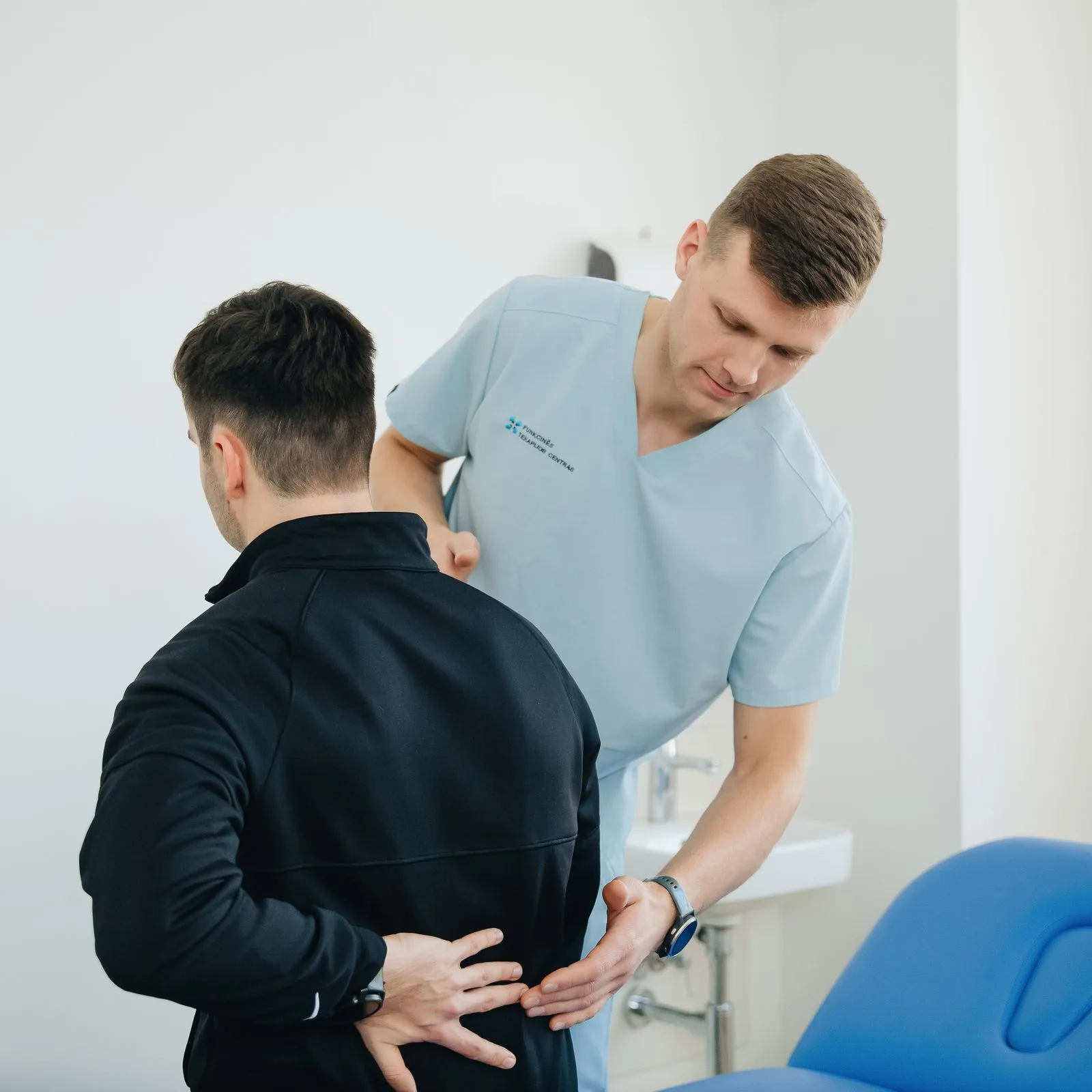
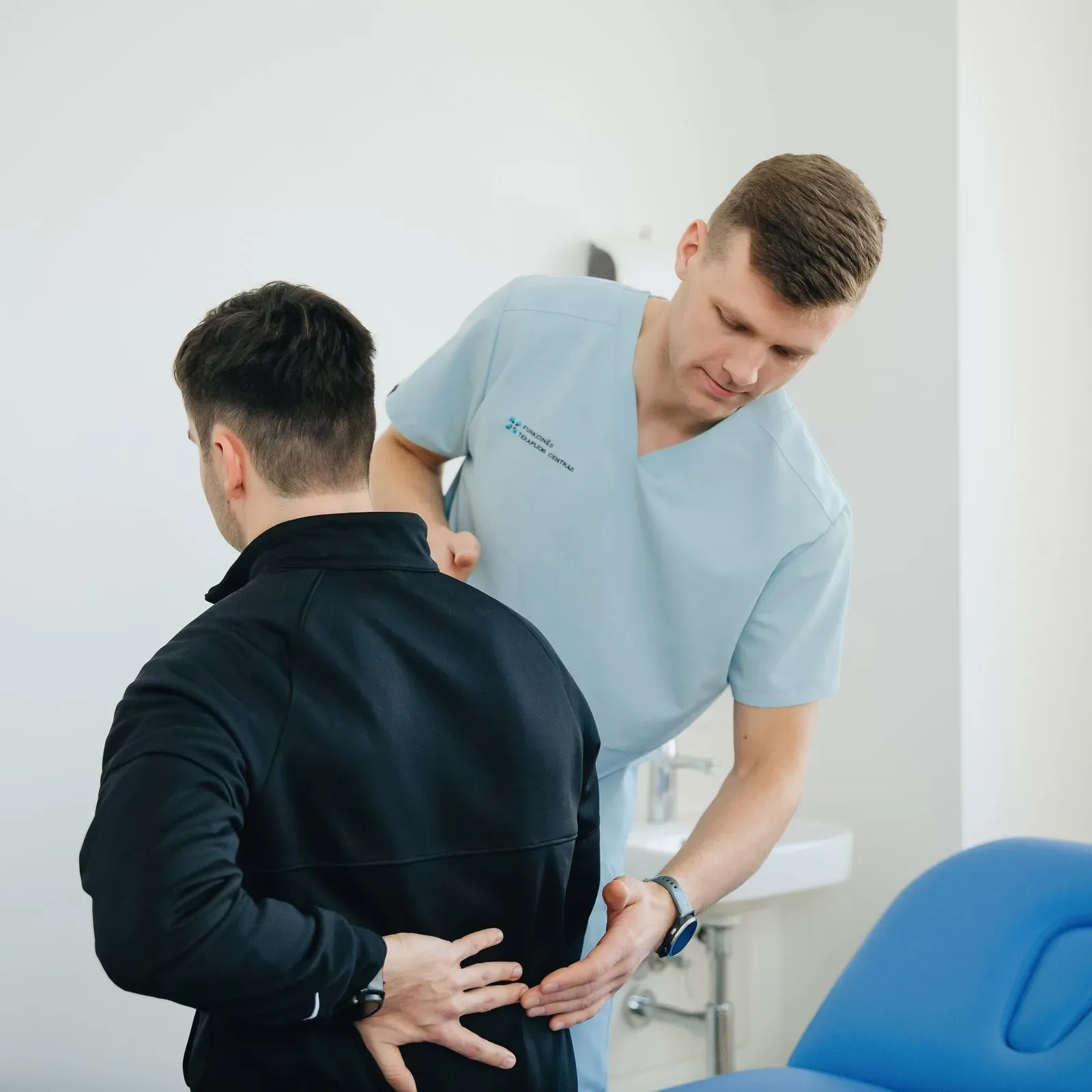
If you are weighing injection options, or a current treatment is not giving lasting relief, a qualified clinician can talk through the possible benefits, risks, costs and unknowns of each choice, including PRP. Pain specialists, such as those at SEVA Healthcare in Tulsa, Dallas and New Mexico, evaluate back pain conditions like this one.
- Questions you might bring to an appointment: How was it determined that my pain comes from the facet joints?
- What is known, and not known, about the safety of PRP for facet joints?
- How does the evidence for PRP compare with the other options available to me?
Frequently asked questions
Does this review show that PRP works for facet joint pain?
No. The authors conclude that PRP is promising for lumbar facet joint pain but not an established treatment, and they describe the overall quality of evidence as limited.
Is PRP better than a steroid injection for facet pain?
The most direct comparisons in the review suggest PRP may give benefit that lasts longer than an injection of local anesthetic with a corticosteroid. The studies were small and varied, so this has not been confirmed.
How many studies did the review include?
Six: one randomized controlled trial, one controlled study without randomization, two prospective case series, one retrospective observational study and one small case series.
Is PRP safe for facet joint injections?
The review could not answer this well because safety reporting in the included studies was incomplete. A qualified clinician can discuss possible risks for your situation.
Has PRP helped other types of back pain?
PRP has shown efficacy for disc-related (discogenic) low back pain, but its role in facet joint pain is less clearly defined.
Sources
This article is sponsored content by SEVA and is for general information only — it is not medical or legal advice. Treatment options depend on an individual evaluation, and results vary from person to person. In an emergency, call 911. Spotted an error? See our corrections policy.