

Expert InsightJoint, Knee & Musculoskeletal Pain

Condition focus
Joint, Knee & Musculoskeletal Pain
Joint pain often comes from arthritis, an old injury or inflammation of the tissues around a joint. Options range from exercise and physical therapy to injections and newer minimally invasive procedures. Our reporting here covers knees, hips, shoulders and other joints.
Get the latest updatesJust published
Latest Joint Pain News
Updated Mar 30, 2026View all news

ResearchPost-Surgical & Complex Pain
Why Does Pain Linger After Surgery for Some People? A 2,285-Person NIH Study Has Finished Recruiting

Living With PainNerve & Neuropathic Pain
Burning, Aching or Electric? How to Describe Pain So Your Clinician Can Act on It
In Depth Stories
Explained Updated Oct 19, 2026
What causes joint pain? A closer look
Osteoarthritis — gradual breakdown of the smooth cartilage that cushions the joint; the most common type of arthritis Old injuries, including meniscus or ligament tears in the knee
Read the full overview
Living with pain
Pain Wrecks Sleep, and Poor Sleep Turns Up Pain. Here Is Where People Start
A bad night makes pain louder the next day, and pain makes the next night worse. Small, consistent changes are where most people begin.
Read the story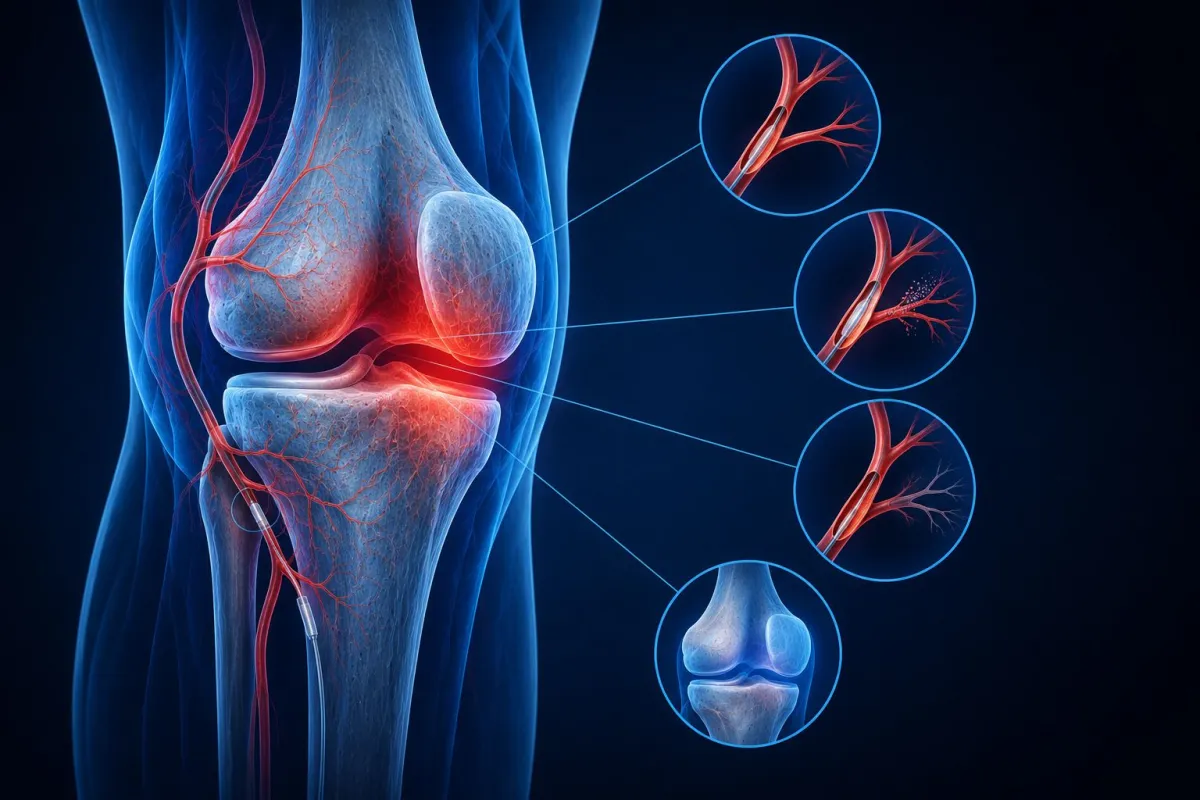
Expert Insight
Alternatives to Knee Replacement Surgery in Dallas: GAE, PRP, and More
considering knee replacement in Dallas? Dr. Mirchandani explains 2024 evidence for genicular artery embolization, PRP, and minimally invasive alternatives that can delay or avoid surgery.
Read the insight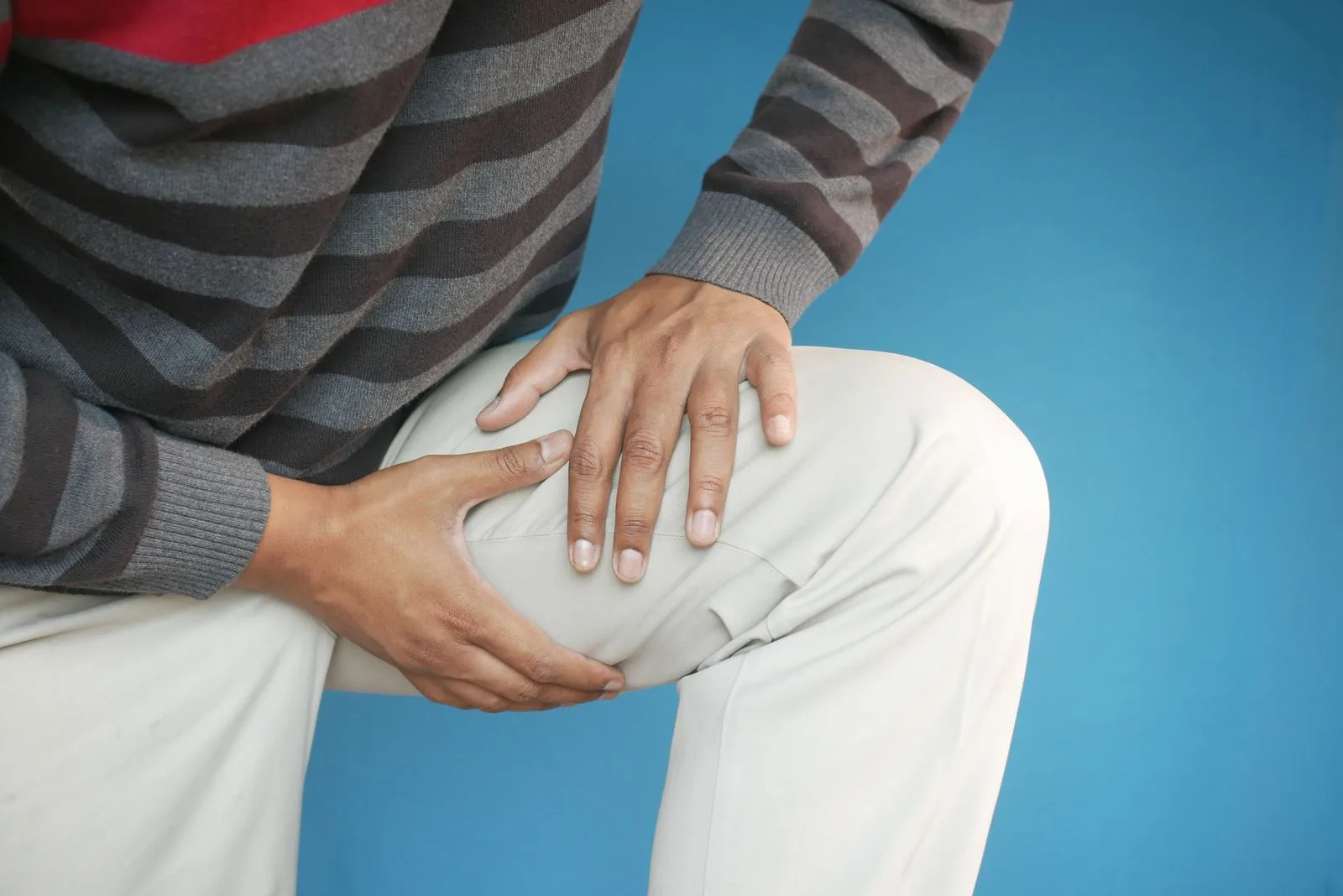
Guide
Knee Osteoarthritis: Why Moving Usually Helps, and When to Ask About More
Stiff first thing, sore after a long walk, better after a rest: the pattern of knee osteoarthritis, what helps, and the options to discuss if it is not enough.
Read the storyLatest Research Updates
The newest research explainers across all conditions — joint pain studies appear here as we publish them.



Feature
Whiplash After a Car Crash: What the First Six Weeks Usually Look Like
You felt fine at the scene. Two days later you cannot turn your head. Why whiplash behaves this way, what helps early on, and when to ask for a specialist.
Read the guidePlain-language overview
Understanding Joint, Knee & Musculoskeletal Pain
What it means
Joint pain often comes from arthritis, an old injury or inflammation of the tissues around a joint. Options range from exercise and physical therapy to injections and newer minimally invasive procedures. Our reporting here covers knees, hips, shoulders and other joints.
Symptoms and warning signs
- Pain in a joint when moving it that often eases with rest
- Stiffness, especially for the first half hour after getting up
- Swelling after using the joint a lot
- Reduced range of movement, or a joint that feels loose or unstable
- Grinding, clicking or catching in the knee, shoulder or hip
- Warning signs needing prompt care: a hot, red, swollen joint with fever; a joint that suddenly cannot bear weight; obvious deformity after an injury
Causes and risk factors
- Osteoarthritis — gradual breakdown of the smooth cartilage that cushions the joint; the most common type of arthritis
- Old injuries, including meniscus or ligament tears in the knee
- Tendon irritation (tendinopathy) and bursitis around the joint
- Inflammatory arthritis, which needs different treatment and is diagnosed by a clinician
- Risk factors include age (more common after 50, and in women after that age), excess weight, previous joint injury, repetitive heavy use and a family history
Conditions in this group
As listed by SEVA Healthcare on its joint, knee & musculoskeletal pain page.
- Knee arthritis
- Shoulder pain
- Hip pain
- Joint inflammation
- Tendon injuries
- Meniscus tear pain
- Post-injury stiffness
- Degenerative joint disease
How clinicians evaluate it
Evaluation usually involves an examination of the joint, a review of how pain affects walking or daily tasks, and X-rays or other imaging when needed. Previous treatments, such as physical therapy or injections, help guide the next step.
Treatments SEVA Healthcare lists
Copied from the official page. Listing a treatment does not mean it suits every patient or is available at every clinic — a doctor decides after an evaluation.
- Genicular Artery Embolization (GAE)
- Platelet-Rich Plasma (PRP) Therapy
- Stem Cell Therapy
- Joint Injections (Knee, Shoulder, Hip)
- Peripheral Nerve Stimulation (PNS)
How SEVA Healthcare treats joint, knee & musculoskeletal pain
When to seek urgent care.
Seek prompt care for a hot, swollen joint with fever, a joint that suddenly cannot bear weight, or a visible deformity after an injury.
Call 911 or go to an emergency department for severe pain after a fall or crash, chest pain, sudden weakness or numbness, trouble speaking, or loss of bladder or bowel control.
Contact a clinician promptly if pain comes with fever, unexplained weight loss, a history of cancer, or keeps getting worse.
Everyday self-management
General education, not a plan for you. Check with your clinician before changing activity or medicines.
- Movement matters: regular, appropriate exercise and strengthening the muscles around a joint generally reduce pain and stiffness over time, though the right amount depends on your diagnosis
- Warming up before activity and using supportive footwear can help knees and hips
- Heat before activity and cold after a flare are common, low-risk measures
- Weight management reduces load on knees and hips
- Use assistive devices (a cane, rails, jar openers) without embarrassment if they let you keep doing what matters to you
Questions to discuss with a clinician
- Is this osteoarthritis, an injury, or an inflammatory condition — and how do you know?
- Which exercises are safe for my joint, and should I see a physical therapist?
- What are my options before considering joint replacement, and what does the evidence say about each?
- If an injection or procedure is suggested, how long does relief usually last and how often can it be repeated?
- Which symptoms mean I should be seen quickly?
Frequently asked questions
Are there options before knee replacement?
Some people with knee arthritis try injections or procedures such as genicular artery embolization before considering surgery. Whether these are appropriate depends on the severity of the arthritis and your health.
Are regenerative treatments right for everyone?
No. Evidence for PRP and stem cell therapy varies by condition, and they are not suitable for every patient. Ask your clinician about the expected benefit, the evidence and the cost.
Sources
- SEVA Healthcare — Joint, Knee & Musculoskeletal Pain (official service page; conditions and treatments listed, checked October 16, 2026)
- Osteoarthritis — MedlinePlus (NIH), accessed October 16, 2026
This overview is general information written by our editors from the official SEVA Healthcare pages and the patient-education sources above. It has not yet been medically reviewed; see our medical review policy. Last updated Oct 19, 2026.
Expert Perspectives
The board-certified pain specialists behind SEVA Healthcare, as listed on the official site.
-
Founder · Board-certified anesthesiologist, pain management
Dr. Jayen Patel, MD
American Board of Anesthesiology · MD, Boston University School of Medicine
View profileI always tell my patients: the trial period exists precisely so you don’t have to take my word for it. You will know within a week whether it works for you.
-
Double board-certified in anesthesiology & pain medicine
Dr. Amit Mirchandani, MD
Residency: Yale University Hospital · Fellowship: Rush University (pain medicine)
View profileI see Dallas patients regularly whose knee X-rays look terrible but who have manageable pain — and others whose X-rays look mild but who can’t sleep. The pain isn’t in the image. It’s in the inflammation and the nerve signaling.


Trending in Joint Pain
View all stories



Related Pain News
View all conditions Back & Neck PainDisc problems, sciatica, spinal stenosis, facet arthritis and pain that continues after s…Read more
 Headache & Migraine PainMigraine, occipital neuralgia, tension and cluster headaches, and headaches after an inju…Read more
 Nerve & Neuropathic PainPeripheral and diabetic neuropathy, CRPS, nerve entrapment and nerve pain after surgery.Read more
 Post-Surgical & Complex PainPain that continues after surgery or trauma, including failed back surgery syndrome and p…Read more