Sponsored content by SEVA Healthcare
News Motor Vehicle Accident Care
Hurt in a Motor Vehicle Accident? Why You Should See a Doctor Before You Call a Lawyer
Pain specialists say the order of your first few calls after a crash can shape both your recovery and the medical record that follows it.
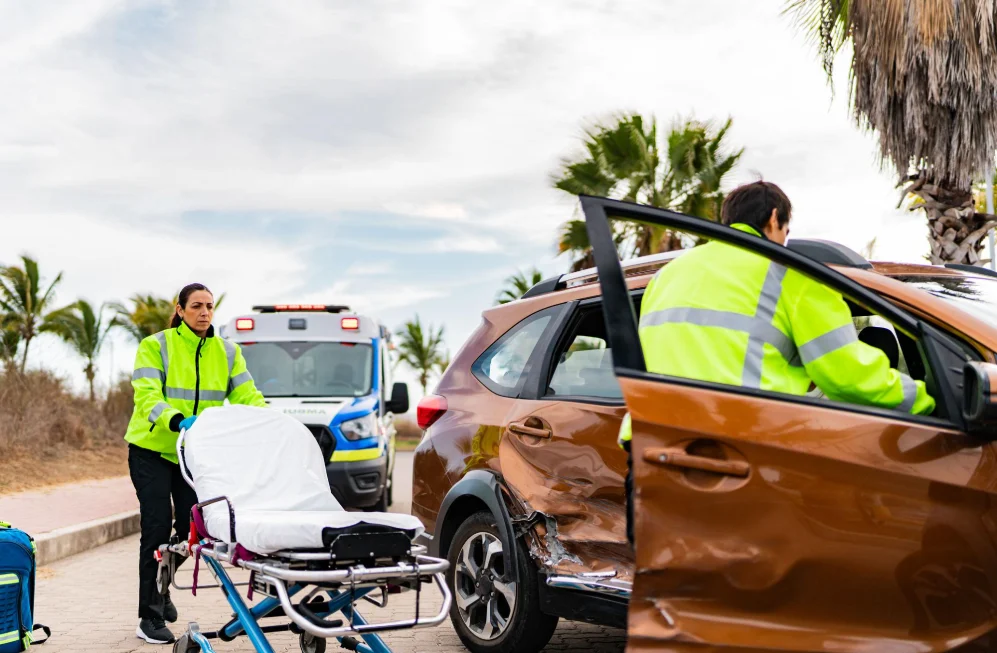
It happens in a second. You’re stopped at a light, you glance at the mirror, and a car rolls into the back of yours. Metal crunches. Your head snaps forward and back.
You get out, swap insurance details, and tell everyone you’re fine. And at that moment, you probably believe it.
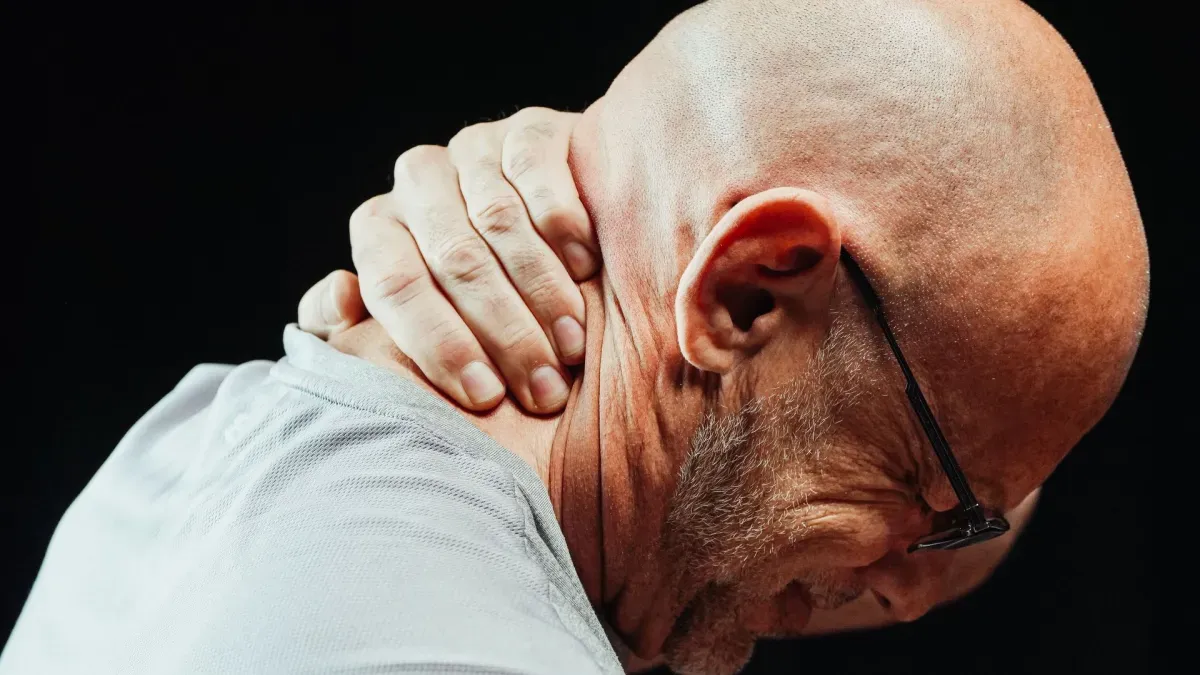
Then the next morning arrives. Your neck is stiff. Turning your head to check your blind spot hurts. By the afternoon there’s a dull ache spreading into your shoulders — and your phone is full of ads from law firms promising to “handle everything.”
This is the moment, pain specialists say, when many people make their first and most important decision about their recovery. And many make it in the wrong order.
Why “I feel fine” isn’t a diagnosis
In the minutes after a crash, your body floods with adrenaline and other stress hormones. They’re designed to get you through an emergency — and they’re very good at masking pain.
That’s why soft-tissue injuries like whiplash, as well as some disc and joint injuries, often don’t announce themselves right away. Symptoms commonly build over the next 24 to 72 hours: neck and back stiffness, headaches at the base of the skull, pain that travels into the arms or legs, tingling, poor sleep and trouble concentrating.
By the time it really hurts, many people have already made their first phone call.
The problem with calling a lawyer first
Attorneys play an important role for many accident victims. But they are not doctors, and a legal intake call is not a medical exam.
When an injured person goes to a lawyer first, they are sometimes steered toward a pre-set treatment path — often a course of chiropractic visits — before anyone has actually diagnosed what’s wrong.
Chiropractic care can be helpful for some muscle and joint complaints. But spinal adjustments don’t tell you whether a disc is herniated, a nerve is being pinched, or a facet joint in your spine was injured. Sorting that out typically requires a medical evaluation — a hands-on exam, a neurological check and, when it’s warranted, imaging such as an X-ray or MRI.
“Treatment should follow a diagnosis — not a referral list.”
If the real source of the pain is missed, weeks or months can go by with treatment that isn’t aimed at the actual injury. For some people, that means pain that lingers far longer than it needs to.
What a doctor’s visit actually does
A visit with a physician who treats spine and musculoskeletal injuries is designed to answer three questions: What is injured? How serious is it? What’s the right treatment?
- A focused history and exam — how the crash happened, where it hurts, and what makes it better or worse.
- A neurological check — strength, reflexes and sensation, to look for nerve involvement.
- Imaging when it’s indicated — so that decisions are based on what’s actually going on, not guesswork.
- A treatment plan matched to the diagnosis — which may include rest and activity changes, physical therapy, medication and, for certain injuries, minimally invasive procedures such as targeted injections.
At pain management practices such as SEVA Healthcare, led by Dr. Amit Mirchandani, that evaluation is the starting point for every accident patient — with clinics in Tulsa, Dallas and New Mexico.
Why documented care matters
There’s a second reason to see a doctor early, and it has to do with paperwork.
Medical records created soon after an accident describe your symptoms, the exam findings and the diagnosis while they’re fresh. They show what was injured and how it was treated. Large gaps between the accident and your first medical visit can make it harder later to connect your symptoms to the crash.
That record matters for your care first — every future provider can see what was found and what’s been tried. And if you do decide to work with an attorney or file an insurance claim, your medical records are typically central to it. (This isn’t legal advice; every situation is different, and no particular result can be promised.)
Seeing a doctor first doesn’t rule out talking to a lawyer. It simply puts your health — and an accurate picture of your injuries — at the front of the line.
Your first 72 hours after a crash: a simple checklist
- Get checked — even if you feel okay. Note any pain, stiffness or tingling as it appears.
- Write it down — date, time, location, what happened and how you felt each day.
- Keep everything — the police report number, photos of the vehicles and your insurance information.
- Follow the plan — attend follow-up visits and therapy; skipping care can slow your recovery.
- Call your insurer — ask what medical coverage your policy includes, such as personal injury protection (PIP) or medical payments (MedPay).
Go to the emergency room or call 911 if you have:
- A severe or worsening headache, confusion or loss of consciousness
- Numbness, weakness or loss of coordination in your arms or legs
- Trouble speaking, seeing or walking
- Loss of bladder or bowel control
- Severe chest or abdominal pain, or trouble breathing
Learn more on SEVApedia
Related reading: Neck pain after a fender-bender? Symptoms you shouldn’t ignore.
Frequently asked questions
How soon after a motor vehicle accident should I see a doctor?
As soon as you can — ideally within a day or two, even if you feel fine. Many injuries take hours or days to cause symptoms, and an early exam creates a clear record of what was found. If you have emergency symptoms, go to the ER right away.
Do I need a lawyer to see a pain specialist after an accident?
No. You can book an evaluation with a pain specialist directly. Whether to involve an attorney is a separate decision you can make at any time.
Is chiropractic care bad after a motor vehicle accident?
Not necessarily. Chiropractic care can help some people with muscle and joint pain. The concern is starting any treatment before you’ve been properly diagnosed, because some injuries — like a herniated disc or a pinched nerve — need a different approach.
Will my auto insurance pay for my visit?
It depends on your state and your policy. Some policies include personal injury protection (PIP) or medical payments (MedPay) coverage. Call your insurer, or ask our team to help you check before your visit.
This article is sponsored content by SEVA Healthcare and is for general information only — it is not medical or legal advice. Treatment options depend on an individual evaluation, and results vary from person to person. In an emergency, call 911. Spotted an error? See our corrections policy.