
GuideAbdominal & Pelvic Pain

Condition focus
Urology & Incontinence
Urinary leakage and urgency are common and treatable medical problems. SEVA Healthcare offers urology and incontinence care at its Dallas-Fort Worth clinics in Lewisville and Rowlett. This topic collects our coverage of bladder health.
Get the latest updatesJust published
Latest Bladder Health News
Updated Oct 6, 2026View all news
GuideBack & Neck Pain
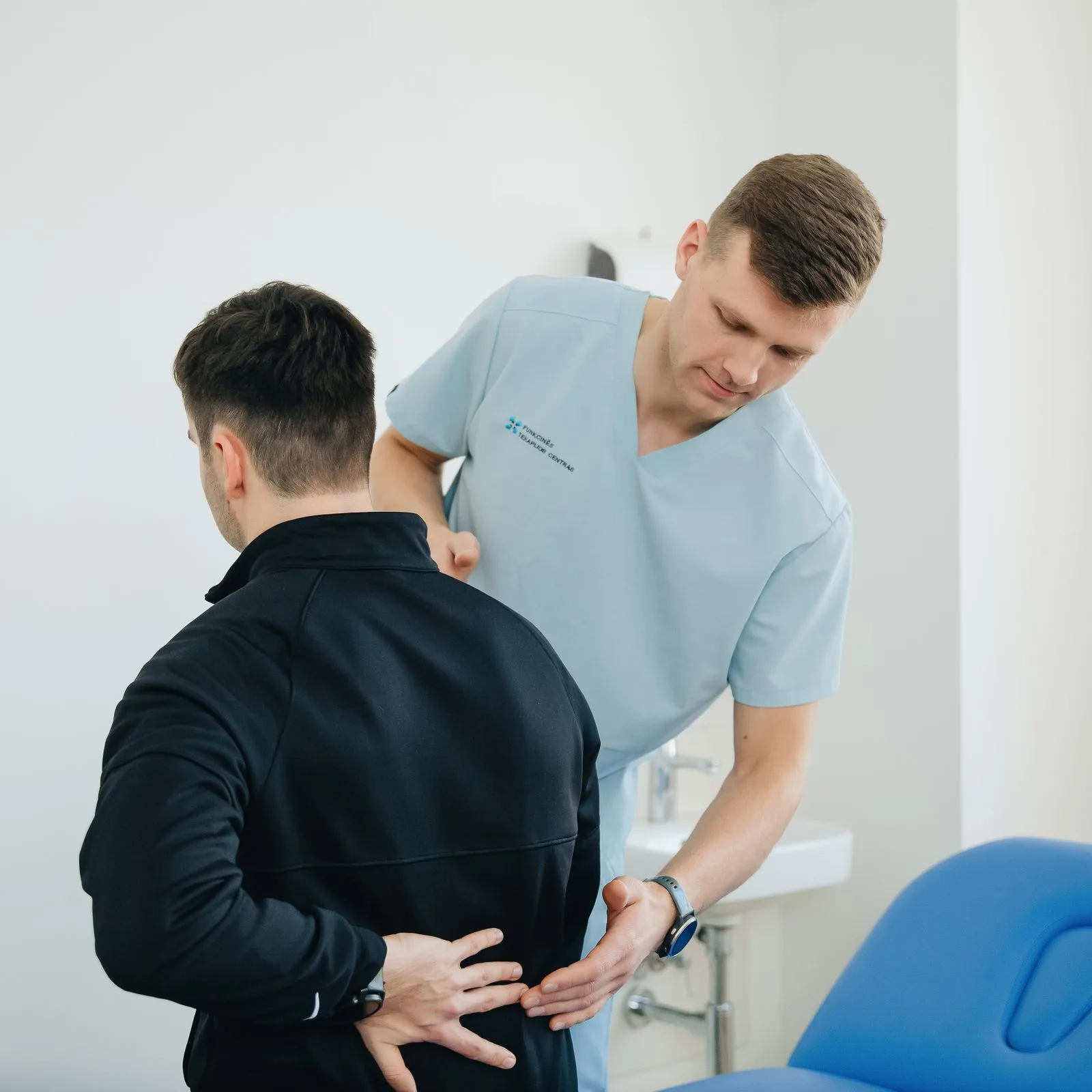
A New Episode of Low Back Pain: What Usually Happens, and What Should Make You Call
In Depth Stories
Explained Updated Oct 23, 2026
What causes bladder health? A closer look
Weak pelvic-floor muscles, often after childbirth, surgery or with age An overactive bladder muscle; sometimes a urinary tract infection or a neurological condition
Read the full overviewGuide
Leaking When You Laugh, Running for the Bathroom: Bladder Problems Are Treatable — and Worth Mentioning
Stress, urge, overflow, mixed — the type of leakage points to its cause and its treatment. A plain-language guide, including what SEVA Healthcare offers in Dallas-Fort Worth.
Read the storyLatest Research Updates
The newest research explainers across all conditions — bladder health studies appear here as we publish them.


Plain-language overview
Understanding Urology & Incontinence
What it means
Urinary leakage and urgency are common and treatable medical problems. SEVA Healthcare offers urology and incontinence care at its Dallas-Fort Worth clinics in Lewisville and Rowlett. This topic collects our coverage of bladder health.
Symptoms and warning signs
- Stress incontinence: leaking when you cough, sneeze, laugh, lift or exercise
- Urge incontinence: a sudden strong need to go, with leakage before reaching the toilet; often part of overactive bladder
- Going very often, or waking several times a night to urinate (nocturia)
- Overflow: dribbling because the bladder does not empty fully (more common in men)
- Urgent warning signs: not being able to pass urine at all, blood in the urine, fever with back pain, or new leakage together with leg weakness or numbness
Causes and risk factors
- Weak pelvic-floor muscles, often after childbirth, surgery or with age
- An overactive bladder muscle; sometimes a urinary tract infection or a neurological condition
- In men, an enlarged prostate or problems after prostate treatment
- Medicines, caffeine and alcohol, constipation and excess weight can all make symptoms worse
- Functional causes — difficulty reaching the toilet in time because of mobility, pain or other conditions
Conditions in this group
As listed by SEVA Healthcare on its urology & incontinence page.
- Overactive Bladder (OAB)
- Urinary urgency
- Frequent urination
- Urge incontinence
- Stress urinary incontinence
- Mixed urinary incontinence
- Nocturia (waking up at night to urinate)
- Urinary retention
- Fecal incontinence
How clinicians evaluate it
Evaluation usually starts with a history of symptoms, a bladder diary and a urine test, then an examination. Further tests depend on the type of incontinence.
Treatments SEVA Healthcare lists
Copied from the official page. Listing a treatment does not mean it suits every patient or is available at every clinic — a doctor decides after an evaluation.
- Peripheral Nerve Evaluation (PNE)
- Sacral Neuromodulation (InterStim® Therapy)
- Botox for Overactive Bladder
- Percutaneous Tibial Nerve Stimulation (PTNS)
- Pelvic Floor Therapy Coordination
How SEVA Healthcare treats urology & incontinence
When to seek urgent care.
Seek urgent care if you cannot pass urine at all, or have blood in the urine, fever with back pain, or new loss of bladder control with leg weakness.
Everyday self-management
General education, not a plan for you. Check with your clinician before changing activity or medicines.
- Bladder leakage is a medical condition, not an inevitable part of ageing or childbirth, and it usually improves with treatment — it is worth raising with a clinician
- A bladder diary (times, volumes, leaks, drinks) for three days is one of the most useful things to bring to an appointment
- Pelvic-floor exercises help many people with stress and urge symptoms when done correctly and consistently; a pelvic-floor physical therapist can teach them
- Spacing fluids through the day, limiting caffeine and alcohol, and treating constipation often reduce urgency
- Timed voiding — going on a schedule rather than waiting for urgency — is a common first step for overactive bladder
Questions to discuss with a clinician
- Which type of incontinence do I have, and what is the likely cause?
- Would pelvic-floor therapy help me, and how do I find a therapist?
- What are the next options if lifestyle changes and exercises are not enough?
- If nerve stimulation or bladder Botox is suggested, what does it involve and how long does the effect last?
- Are any of my current medicines making this worse?
Frequently asked questions
Where is urology and incontinence care available?
SevaHealthcare.com lists urology and incontinence care at the Lewisville and Rowlett clinics in Dallas-Fort Worth.
Sources
- SEVA Healthcare — Urology & Incontinence (official service page; conditions and treatments listed, checked October 16, 2026)
- Urinary Incontinence — MedlinePlus (NIH), accessed October 16, 2026
This overview is general information written by our editors from the official SEVA Healthcare pages and the patient-education sources above. It has not yet been medically reviewed; see our medical review policy. Last updated Oct 23, 2026.
Expert Perspectives
The board-certified pain specialists behind SEVA Healthcare, as listed on the official site.
-
Founder · Board-certified anesthesiologist, pain management
Dr. Jayen Patel, MD
American Board of Anesthesiology · MD, Boston University School of Medicine
View profileI always tell my patients: the trial period exists precisely so you don’t have to take my word for it. You will know within a week whether it works for you.
-
Double board-certified in anesthesiology & pain medicine
Dr. Amit Mirchandani, MD
Residency: Yale University Hospital · Fellowship: Rush University (pain medicine)
View profileI see Dallas patients regularly whose knee X-rays look terrible but who have manageable pain — and others whose X-rays look mild but who can’t sleep. The pain isn’t in the image. It’s in the inflammation and the nerve signaling.


Trending in Bladder Health
View all stories Leaking When You Laugh, Running for the Bathroom: Bladder Problems Are Treatable — and Worth Mentioning · 2 min read
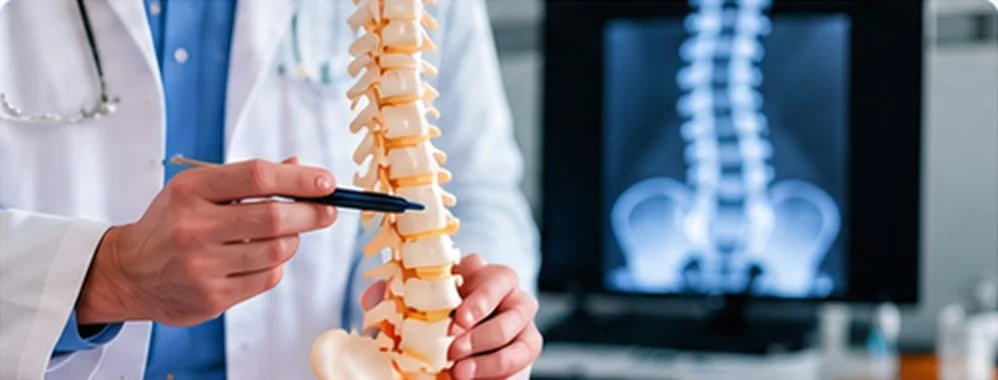 Pelvic and Abdominal Pain That Will Not Go Away: Why It Takes a Team, and Where Pain Medicine Fits · 3 min read
 A New Episode of Low Back Pain: What Usually Happens, and What Should Make You Call · 2 min read
Related Pain News
View all conditions Back & Neck PainDisc problems, sciatica, spinal stenosis, facet arthritis and pain that continues after s…Read more
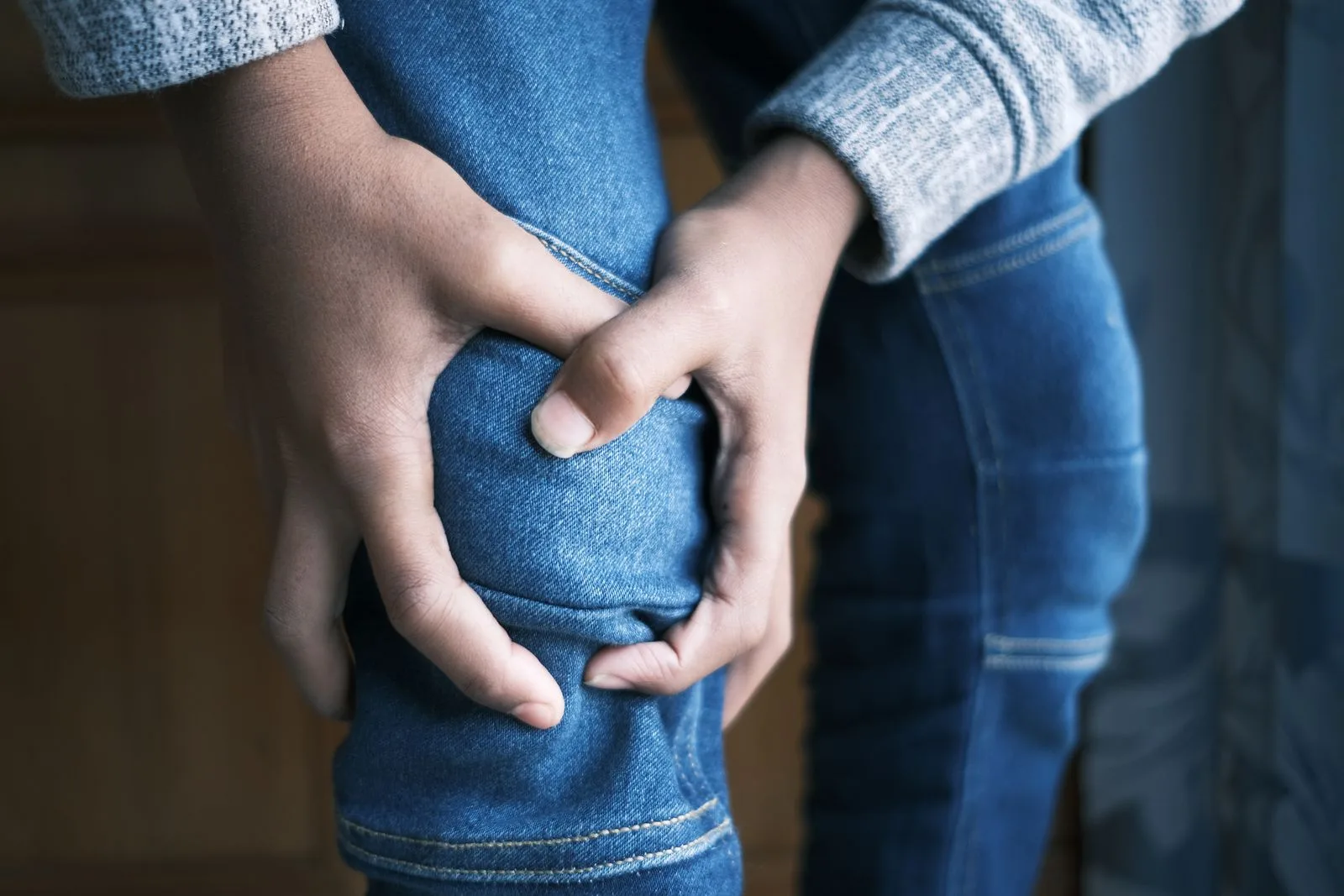 Joint, Knee & Musculoskeletal PainKnee arthritis, shoulder and hip pain, tendon injuries and joint inflammation.Read more
 Headache & Migraine PainMigraine, occipital neuralgia, tension and cluster headaches, and headaches after an inju…Read more
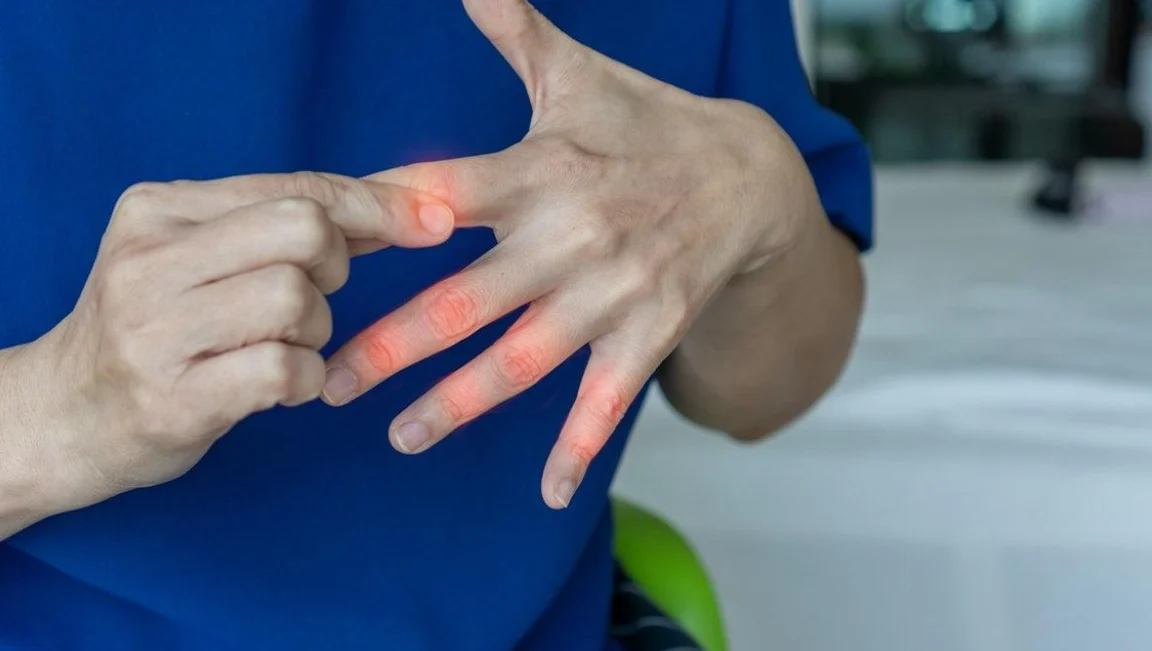 Nerve & Neuropathic PainPeripheral and diabetic neuropathy, CRPS, nerve entrapment and nerve pain after surgery.Read more