

GuideJoint, Knee & Musculoskeletal Pain

Condition focus
Nerve & Neuropathic Pain
Nerve pain is often described as burning, shooting, tingling or electric. It can follow diabetes, an injury or surgery, or a trapped nerve. Our coverage explains the conditions and the treatments specialists use.
Get the latest updatesJust published
Latest Nerve Pain News
Updated Oct 8, 2026View all news
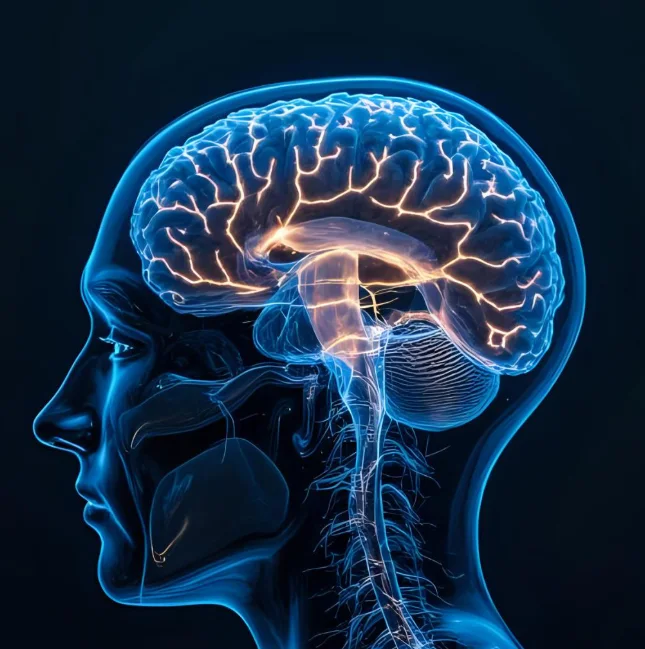
GuideHeadache & Migraine Pain
Migraine Is Not “Just a Headache”: Triggers, the Diary That Helps, and When to Ask for More

GuideAbdominal & Pelvic Pain
Pelvic and Abdominal Pain That Will Not Go Away: Why It Takes a Team, and Where Pain Medicine Fits
In Depth Stories
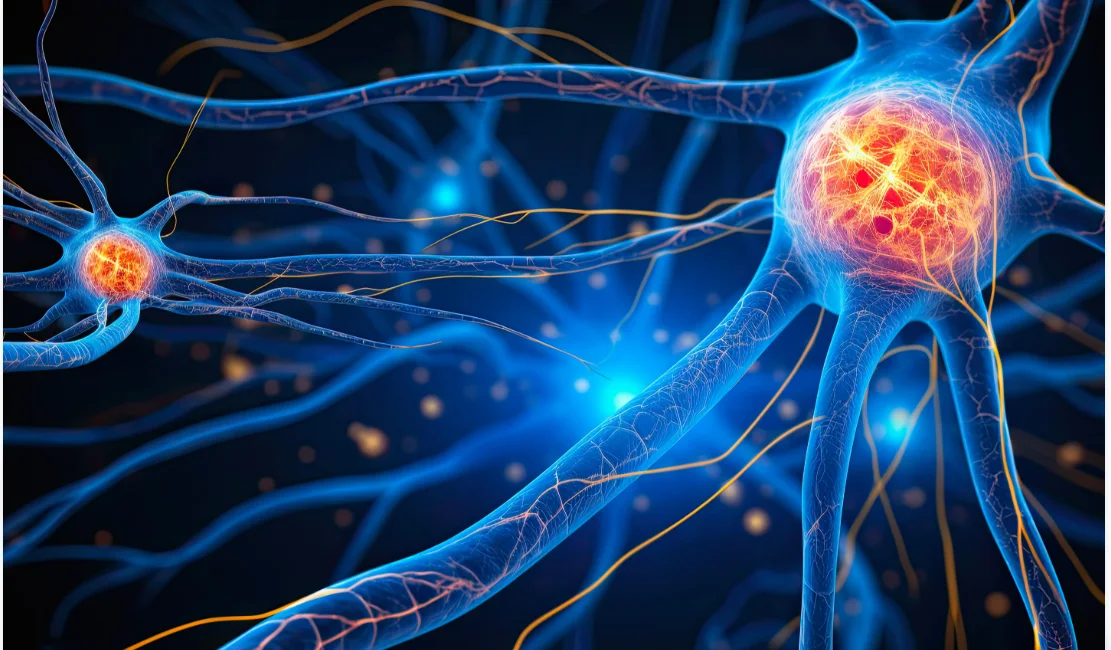
Explained Updated Oct 19, 2026
What causes nerve pain? A closer look
Diabetes is the most common cause of peripheral neuropathy; good blood-sugar control matters Physical injury that stretches, compresses or cuts a nerve, including after surgery or a crash
Read the full overview
Living with pain
Burning, Aching or Electric? How to Describe Pain So Your Clinician Can Act on It
The words you use for pain are not small talk; they help a clinician tell nerve pain from joint pain from muscle pain. Here is how to prepare.
Read the story
Expert Insight
Diabetic Neuropathy Treatment in Tulsa: A Patient's Guide
Painful diabetic neuropathy in Tulsa? Dr. Patel explains 10 kHz spinal cord stimulation, peripheral nerve stimulation, and 2025 evidence for FDA-approved PDN treatments. Same-week appointments.
Read the insight
Guide
Burning Feet and Numb Toes: Understanding Peripheral Neuropathy
Tingling that starts in the toes, a burning that is worse at night, sheets that hurt — nerve pain has its own logic. What causes it, how it is assessed, and what helps.
Read the storyLatest Research Updates
The newest research explainers across all conditions — nerve pain studies appear here as we publish them.


Feature
Leaking When You Laugh, Running for the Bathroom: Bladder Problems Are Treatable — and Worth Mentioning
Stress, urge, overflow, mixed — the type of leakage points to its cause and its treatment. A plain-language guide, including what SEVA Healthcare offers in Dallas-Fort Worth.
Read the guidePlain-language overview
Understanding Nerve & Neuropathic Pain
What it means
Nerve pain is often described as burning, shooting, tingling or electric. It can follow diabetes, an injury or surgery, or a trapped nerve. Our coverage explains the conditions and the treatments specialists use.
Symptoms and warning signs
- Burning, tingling, pins-and-needles, shooting or electric-shock pain
- Numbness or reduced feeling, often starting in the feet or hands
- Pain from things that should not hurt, such as bedsheets or light touch (allodynia)
- Weakness, unsteadiness or trouble with fine movements if motor nerves are involved
- In complex regional pain syndrome (CRPS): intense pain in a limb after an injury that seems out of proportion, with changes in skin colour, temperature, sweating or swelling
- Warning signs: rapidly spreading weakness or numbness, or new numbness after an injury, need prompt assessment
Causes and risk factors
- Diabetes is the most common cause of peripheral neuropathy; good blood-sugar control matters
- Physical injury that stretches, compresses or cuts a nerve, including after surgery or a crash
- Trapped nerves, such as carpal tunnel syndrome
- Shingles can leave lasting nerve pain (post-herpetic neuralgia)
- Other causes include some medicines and chemotherapy, infections, autoimmune disease, kidney or liver disease, vitamin imbalances and heavy alcohol use; more than 100 types of peripheral neuropathy are recognised
- CRPS usually follows an injury to a limb and is more common after fractures and sprains, though why some people develop it is not fully understood
Conditions in this group
As listed by SEVA Healthcare on its nerve & neuropathic pain page.
- Peripheral neuropathy
- Complex Regional Pain Syndrome (CRPS)
- Post-surgical nerve pain
- Diabetic nerve pain
- Nerve entrapment
- Chronic limb pain
How clinicians evaluate it
Evaluation looks at where the pain is, how it feels, and any loss of sensation or strength. Tests such as nerve conduction studies or blood tests may be used to find the cause.
Treatments SEVA Healthcare lists
Copied from the official page. Listing a treatment does not mean it suits every patient or is available at every clinic — a doctor decides after an evaluation.
- Peripheral Nerve Stimulation (PNS)
- Lumbar Sympathetic Block
- Stellate Ganglion Block
- Intercostal Nerve Block
- Ketamine Infusion Therapy
- Spinal Cord Stimulation (SCS)
How SEVA Healthcare treats nerve & neuropathic pain
When to seek urgent care.
If you have diabetes, check your feet daily and seek care for wounds that are not healing.
Call 911 or go to an emergency department for severe pain after a fall or crash, chest pain, sudden weakness or numbness, trouble speaking, or loss of bladder or bowel control.
Contact a clinician promptly if pain comes with fever, unexplained weight loss, a history of cancer, or keeps getting worse.
Everyday self-management
General education, not a plan for you. Check with your clinician before changing activity or medicines.
- Treat the underlying cause where there is one — for diabetic neuropathy, blood-sugar, blood-pressure and cholesterol control slow progression
- Check feet daily if you have reduced feeling; wear well-fitting shoes and seek care for wounds that are not healing
- Keep moving: gentle exercise and physical therapy help circulation, balance and mood, and early movement is encouraged in CRPS
- Remove trip hazards and use night lights if balance or sensation is affected
- Sleep, stress and mood affect nerve pain; tell your clinician if pain is disturbing sleep
Questions to discuss with a clinician
- What is causing my nerve pain, and are there tests that would change the treatment?
- Which medicines are used for nerve pain, and what side effects should I watch for?
- If a nerve block or nerve stimulation is suggested, is there a test or trial first?
- What can I do to protect my feet, balance and skin?
- What changes should prompt me to come back quickly?
Frequently asked questions
Can nerve pain be treated if medicines have not helped?
Specialists can offer nerve blocks or nerve stimulation when medicines have not worked well. Whether these are suitable depends on the cause of the pain.
Sources
- SEVA Healthcare — Nerve & Neuropathic Pain (official service page; conditions and treatments listed, checked October 16, 2026)
- Peripheral Nerve Disorders — MedlinePlus (NIH), accessed October 16, 2026
- Peripheral Neuropathy — NINDS (NIH), accessed October 16, 2026
- Complex Regional Pain Syndrome — NINDS (NIH), accessed October 16, 2026
This overview is general information written by our editors from the official SEVA Healthcare pages and the patient-education sources above. It has not yet been medically reviewed; see our medical review policy. Last updated Oct 19, 2026.
Expert Perspectives
The board-certified pain specialists behind SEVA Healthcare, as listed on the official site.
-
Founder · Board-certified anesthesiologist, pain management
Dr. Jayen Patel, MD
American Board of Anesthesiology · MD, Boston University School of Medicine
View profileI always tell my patients: the trial period exists precisely so you don’t have to take my word for it. You will know within a week whether it works for you.
-
Double board-certified in anesthesiology & pain medicine
Dr. Amit Mirchandani, MD
Residency: Yale University Hospital · Fellowship: Rush University (pain medicine)
View profileI see Dallas patients regularly whose knee X-rays look terrible but who have manageable pain — and others whose X-rays look mild but who can’t sleep. The pain isn’t in the image. It’s in the inflammation and the nerve signaling.


Trending in Nerve Pain
View all stories When a Sprain Will Not Stop Hurting: Complex Regional Pain Syndrome, Explained · 3 min read
 Motor Vehicle Accident Pain Treatment in Tulsa & Dallas · 5 min read
- Spinal Cord Stimulation (SCS) — When Pain Has Stopped Responding to Everything Else · 9 min read
 Burning, Aching or Electric? How to Describe Pain So Your Clinician Can Act on It · 2 min read
Related Pain News
View all conditions Back & Neck PainDisc problems, sciatica, spinal stenosis, facet arthritis and pain that continues after s…Read more
 Joint, Knee & Musculoskeletal PainKnee arthritis, shoulder and hip pain, tendon injuries and joint inflammation.Read more
 Headache & Migraine PainMigraine, occipital neuralgia, tension and cluster headaches, and headaches after an inju…Read more
 Post-Surgical & Complex PainPain that continues after surgery or trauma, including failed back surgery syndrome and p…Read more