

ResearchPost-Surgical & Complex Pain
Condition focus
Post-Surgical & Complex Pain
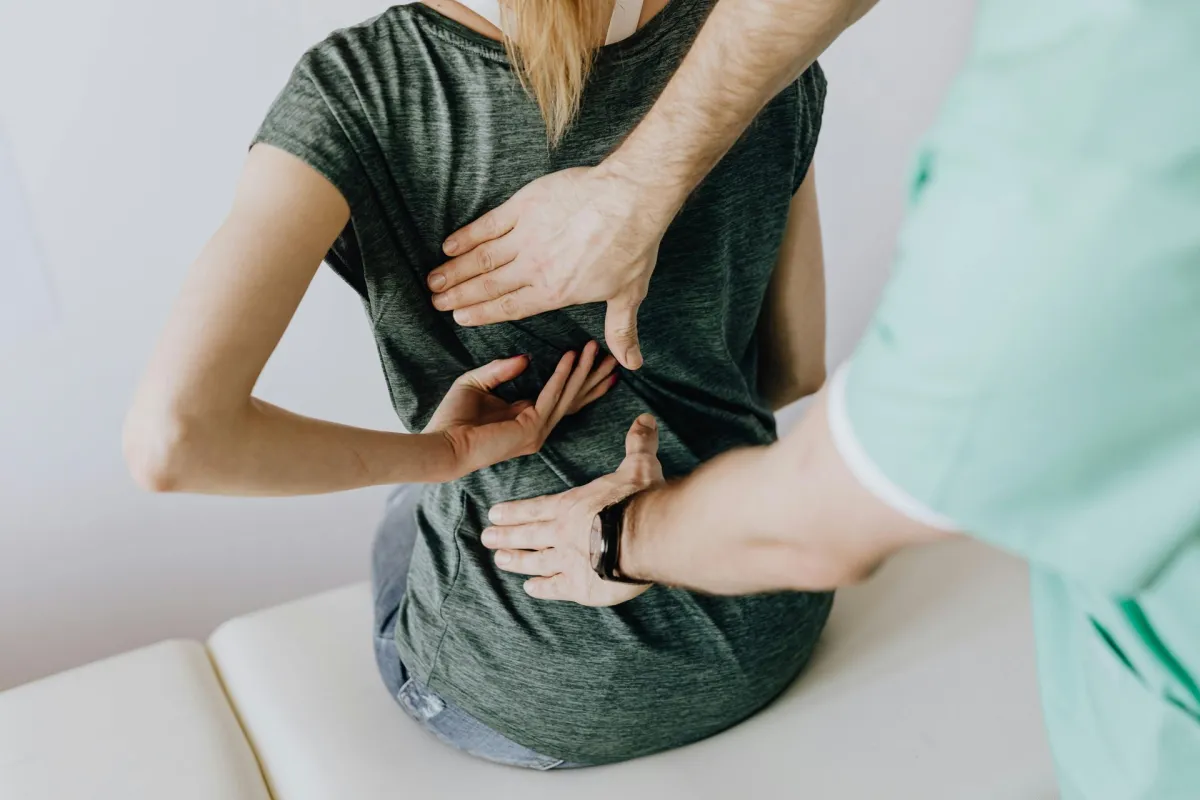
Some people keep having pain after an operation or a serious injury. This complex pain often needs a combination of treatments. Here we collect our coverage of long-lasting and hard-to-treat pain.
Get the latest updatesJust published
Latest Post-Surgical Pain News
Updated Oct 22, 2026View all news

ResearchPost-Surgical & Complex Pain
Why Does Pain Linger After Surgery for Some People? A 2,285-Person NIH Study Has Finished Recruiting
In Depth Stories
Explained Updated Oct 16, 2026
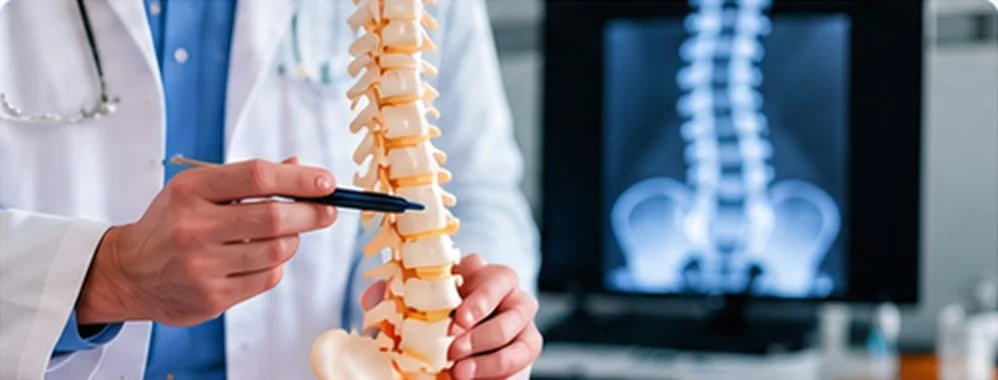
What causes post-surgical pain? A closer look
Nerves irritated or damaged during surgery or by scar tissue Ongoing joint, disc or nerve problems that the operation did not fully address, or new problems at adjacent levels of the spine
Read the full overview
Living with pain
The Good-Day Trap: Why Pacing Matters More Than Pushing Through
Doing too much on the good days and too little on the bad ones keeps many people stuck. Pacing is how you get steadier weeks.
Read the story
Expert Insight
Back Pain Treatment in Tulsa, OK — From Injections to Spinal Cord Stimulation
Chronic back pain in Tulsa? SEVA Healthcare's pain physicians offer the full ladder of evidence-based and minimally invasive back pain treatment in Tulsa , from epidurals and RFA to 10 kHz spinal cord stimulation. Same-week appointments.
Read the insightGuide
When a Sprain Will Not Stop Hurting: Complex Regional Pain Syndrome, Explained
A minor fracture or sprain heals, but the arm or leg keeps burning and even light touch hurts. CRPS is uncommon, real, and better understood than it was.
Read the storyLatest Research Updates
The newest research explainers across all conditions — post-surgical pain studies appear here as we publish them.


Feature
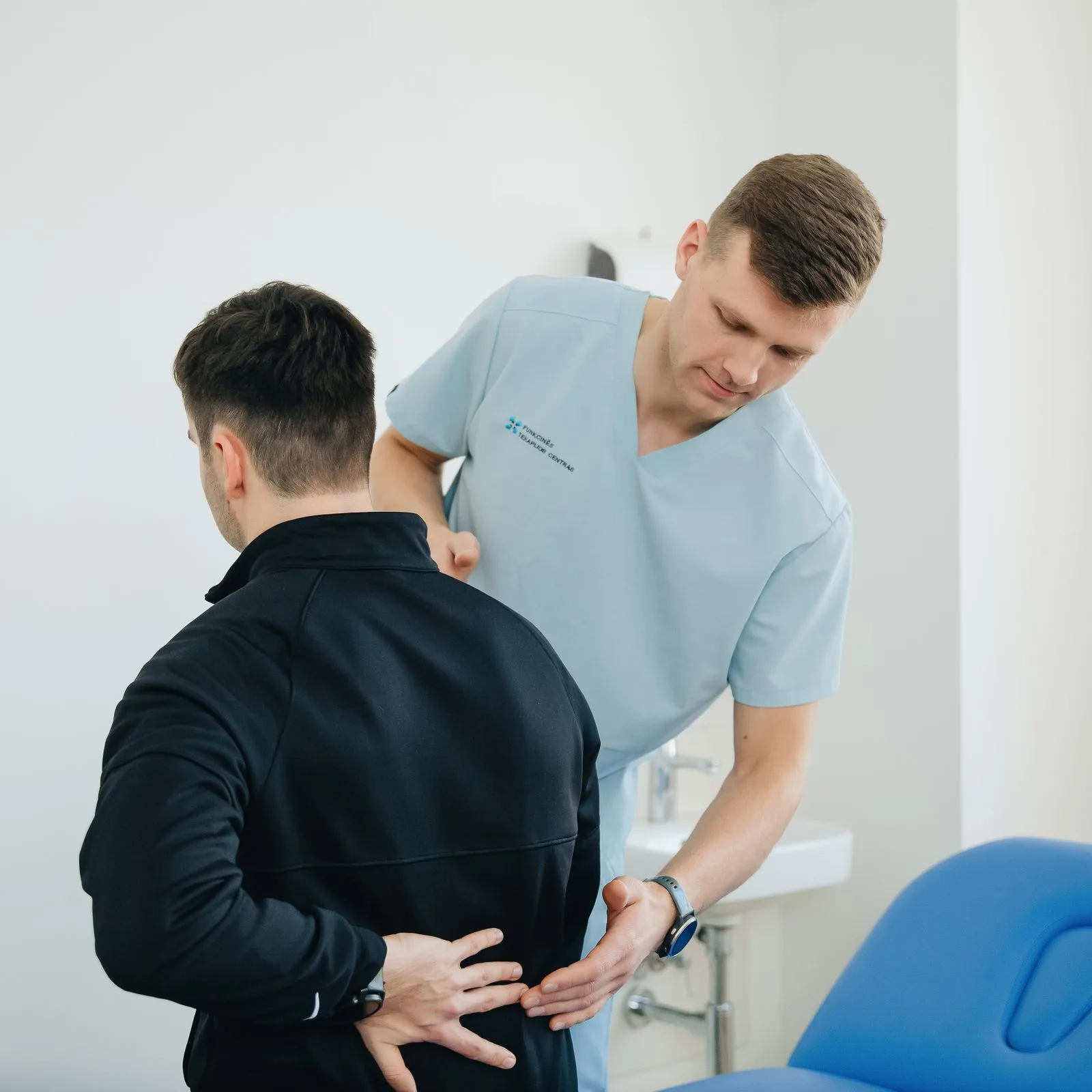
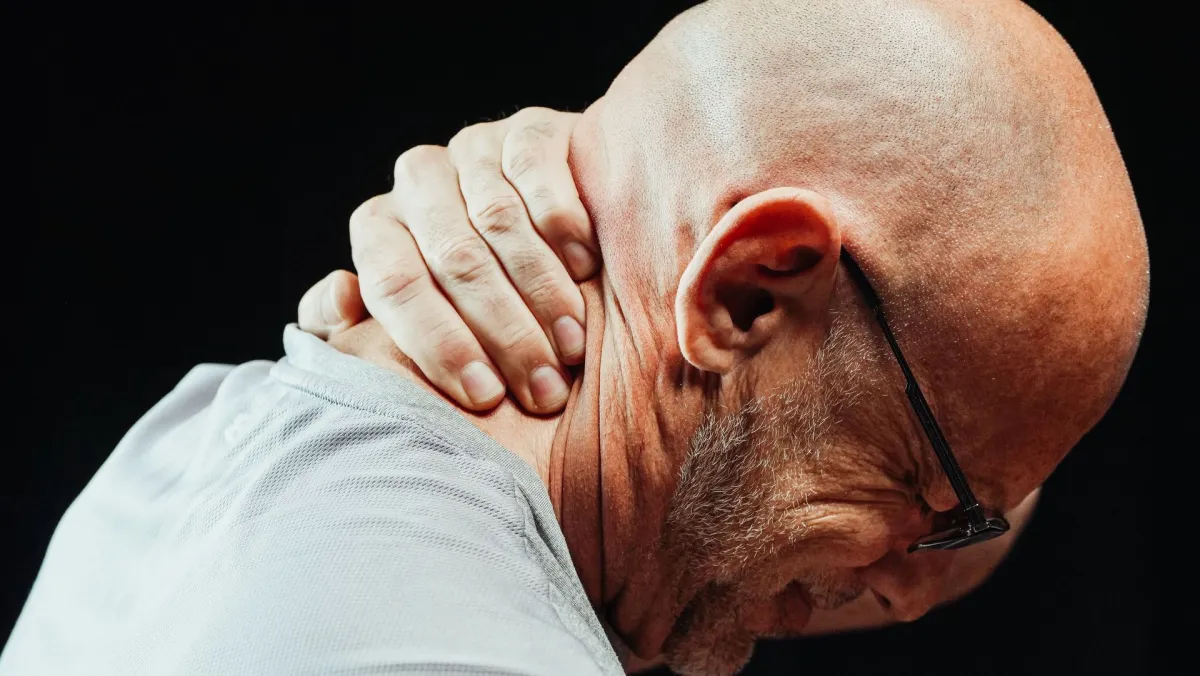
Burning Feet and Numb Toes: Understanding Peripheral Neuropathy
Tingling that starts in the toes, a burning that is worse at night, sheets that hurt — nerve pain has its own logic. What causes it, how it is assessed, and what helps.
Read the guidePlain-language overview
Understanding Post-Surgical & Complex Pain
What it means
Some people keep having pain after an operation or a serious injury. This complex pain often needs a combination of treatments. Here we collect our coverage of long-lasting and hard-to-treat pain.
Symptoms and warning signs
- Pain that continues for months after an operation or injury, beyond the expected healing time
- Back and leg pain that persists or returns after spine surgery (sometimes called failed back surgery syndrome)
- Burning or shooting pain around a scar, or pain in a limb that has been amputated (phantom limb pain)
- Pain that spreads, changes character, or is accompanied by sensitivity to light touch
- Urgent warning signs after surgery: fever, redness, swelling or discharge at the wound, calf pain or swelling, or pain that suddenly becomes much worse
Causes and risk factors
- Nerves irritated or damaged during surgery or by scar tissue
- Ongoing joint, disc or nerve problems that the operation did not fully address, or new problems at adjacent levels of the spine
- Changes in how the nervous system processes pain after prolonged acute pain (sensitisation)
- Complex regional pain syndrome after an injury or operation to a limb
- Risk factors reported in research include severe pain before and in the days after surgery, pre-existing chronic pain, anxiety or depression, and certain types of surgery; large studies are under way to understand why acute pain becomes chronic in some people
Conditions in this group
As listed by SEVA Healthcare on its post-surgical & complex pain page.
- Failed Back Surgery Syndrome (FBSS)
- Post-surgical nerve pain
- Chronic regional pain
- Phantom limb pain
- Persistent scar pain
- Neuropathic pain after trauma
How clinicians evaluate it
Specialists review the original surgery or injury, previous treatments and imaging, and look for nerve, joint or muscle causes. Treatment plans for complex pain usually combine several approaches.
Treatments SEVA Healthcare lists
Copied from the official page. Listing a treatment does not mean it suits every patient or is available at every clinic — a doctor decides after an evaluation.
- Spinal Cord Stimulation (SCS)
- Peripheral Nerve Stimulation (PNS)
- Radiofrequency Ablation (RFA)
- Intrathecal Pump Therapy
- Regenerative Treatments (PRP and Stem Cell Therapy)
How SEVA Healthcare treats post-surgical & complex pain
When to seek urgent care.
Contact your surgical team promptly for fever, redness or discharge from a wound, or pain that suddenly gets much worse after surgery.
Call 911 or go to an emergency department for severe pain after a fall or crash, chest pain, sudden weakness or numbness, trouble speaking, or loss of bladder or bowel control.
Contact a clinician promptly if pain comes with fever, unexplained weight loss, a history of cancer, or keeps getting worse.
Everyday self-management
General education, not a plan for you. Check with your clinician before changing activity or medicines.
- Follow the rehabilitation plan after surgery and keep moving within the limits your team sets; prolonged inactivity tends to prolong pain
- Keep a simple record of pain, sleep and activity to show your team what is improving and what is not
- Ask early about a plan if pain is not following the expected course — persistent pain is easier to manage when addressed sooner
- Pacing, sleep routines and stress management support recovery alongside medical treatment
- Do not stop or change prescribed medicines on your own; discuss any change with the prescriber
Questions to discuss with a clinician
- Is my pain following a normal recovery course, or is it persisting longer than expected?
- What is the most likely source of the pain now, and what tests would help?
- Which options are suitable for me — physical therapy, medicines, nerve procedures, stimulation — and in what order?
- If spinal cord or nerve stimulation is suggested, how does the trial period work?
- How do we measure whether treatment is helping — pain, sleep, walking, work?
Frequently asked questions
What is failed back surgery syndrome?
It is a term for back or leg pain that continues or returns after spine surgery. It does not necessarily mean the operation was done badly; the causes vary.
Sources
- SEVA Healthcare — Post-Surgical & Complex Pain (official service page; conditions and treatments listed, checked October 16, 2026)
- Chronic Pain — MedlinePlus (NIH), accessed October 16, 2026
- Complex Regional Pain Syndrome — NINDS (NIH), accessed October 16, 2026
This overview is general information written by our editors from the official SEVA Healthcare pages and the patient-education sources above. It has not yet been medically reviewed; see our medical review policy. Last updated Oct 16, 2026.
Expert Perspectives
The board-certified pain specialists behind SEVA Healthcare, as listed on the official site.
-
Founder · Board-certified anesthesiologist, pain management
Dr. Jayen Patel, MD
American Board of Anesthesiology · MD, Boston University School of Medicine
View profileI always tell my patients: the trial period exists precisely so you don’t have to take my word for it. You will know within a week whether it works for you.
-
Double board-certified in anesthesiology & pain medicine
Dr. Amit Mirchandani, MD
Residency: Yale University Hospital · Fellowship: Rush University (pain medicine)
View profileI see Dallas patients regularly whose knee X-rays look terrible but who have manageable pain — and others whose X-rays look mild but who can’t sleep. The pain isn’t in the image. It’s in the inflammation and the nerve signaling.


Trending in Post-Surgical Pain
View all stories A New Episode of Low Back Pain: What Usually Happens, and What Should Make You Call · 2 min read
 Motor Vehicle Accident Pain Treatment in Tulsa & Dallas · 5 min read
 Best Pain Management Clinic in Lewisville, TX · 9 min read
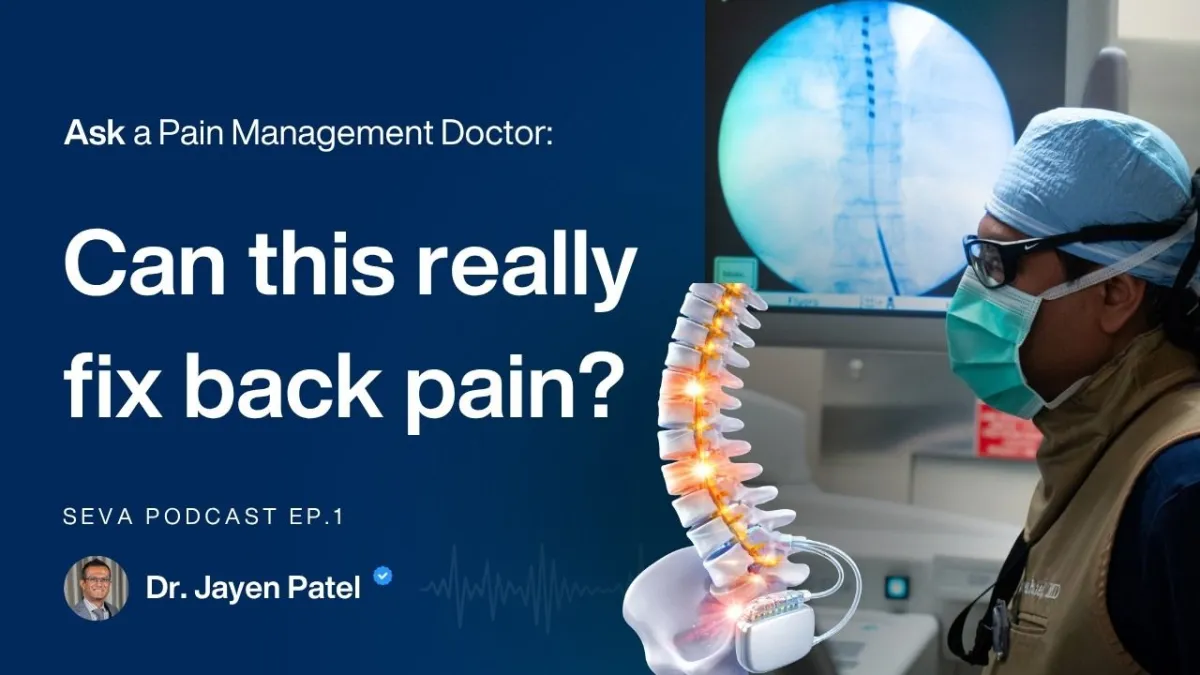 What Is Spinal Cord Stimulation? A Tulsa Pain Doctor Answers Real Patient Questions · 9 min read
Related Pain News
View all conditions Back & Neck PainDisc problems, sciatica, spinal stenosis, facet arthritis and pain that continues after s…Read more
 Joint, Knee & Musculoskeletal PainKnee arthritis, shoulder and hip pain, tendon injuries and joint inflammation.Read more
 Headache & Migraine PainMigraine, occipital neuralgia, tension and cluster headaches, and headaches after an inju…Read more
 Nerve & Neuropathic PainPeripheral and diabetic neuropathy, CRPS, nerve entrapment and nerve pain after surgery.Read more