
ResearchBack & Neck Pain

Condition focus
Back & Neck Pain
Back and neck pain are among the most common reasons people see a doctor. Most episodes improve within weeks, but some people develop pain that keeps returning or spreads into an arm or leg. This page gathers our reporting on back and neck pain and explains, in general terms, how pain specialists approach it.
Get the latest updatesJust published
Latest Back & Neck Pain News
Updated Oct 16, 2026View all news

ResearchBack & Neck Pain
Nearly Eight Years on Opioids, and Pain No Better: What a Northwestern Brain Study Found

ResearchBack & Neck Pain
Six Million People, 118 Countries: What the Largest Map of Pain Yet Says About Who Hurts
In Depth Stories
Explained Updated Oct 19, 2026
What causes back & neck pain? A closer look
Strained muscles or ligaments after lifting, twisting or an awkward movement Bulging or herniated discs pressing on a nerve root (the usual cause of sciatica)
Read the full overview
Living with pain
Pain Wrecks Sleep, and Poor Sleep Turns Up Pain. Here Is Where People Start
A bad night makes pain louder the next day, and pain makes the next night worse. Small, consistent changes are where most people begin.
Read the story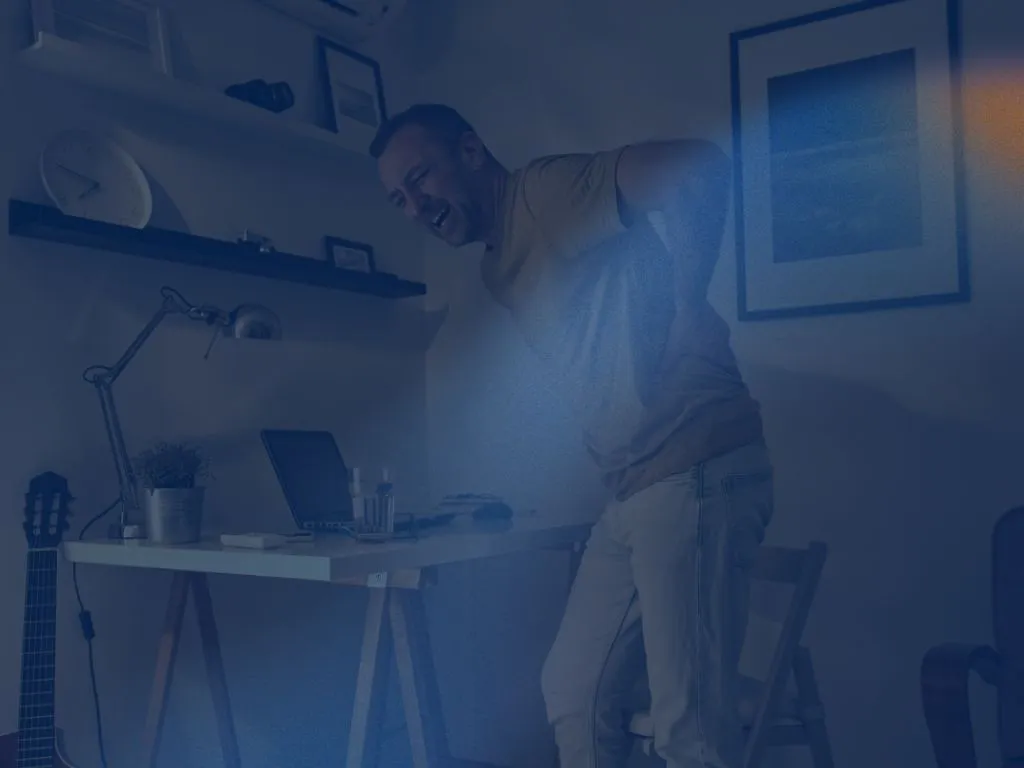
Expert Insight
Sciatica Treatment in Tulsa: 2026 Doctor's Guide
Board-certified Tulsa pain doctors explain sciatica causes, at-home relief tips, non-surgical treatments, cost & when to see a specialist. Same-week appts.
Read the insightGuide
A New Episode of Low Back Pain: What Usually Happens, and What Should Make You Call
Acute back pain is frightening and usually self-limiting. Here is the typical course, why bed rest is no longer the advice, and the warning signs that change everything.
Read the storyLatest Research Updates


Feature
Fifteen Minutes With a Pain Specialist: How to Make Them Count
What to bring, what to write down beforehand, and the questions that get the most useful answers from a pain specialist.
Read the storyPlain-language overview
Understanding Back & Neck Pain
What it means
Back and neck pain are among the most common reasons people see a doctor. Most episodes improve within weeks, but some people develop pain that keeps returning or spreads into an arm or leg. This page gathers our reporting on back and neck pain and explains, in general terms, how pain specialists approach it.
Symptoms and warning signs
- A dull, constant ache or a sudden sharp pain in the lower back or neck
- Stiffness and difficulty turning, bending or standing up straight
- Pain that spreads into a buttock, leg, arm or shoulder, sometimes with tingling or numbness
- Pain that is worse after sitting, lifting or a particular movement
- Warning signs needing urgent care: new weakness in a leg or arm, numbness around the groin or inner thighs, loss of bladder or bowel control, pain after a serious fall or crash, or pain with fever or unexplained weight loss
Causes and risk factors
- Strained muscles or ligaments after lifting, twisting or an awkward movement
- Bulging or herniated discs pressing on a nerve root (the usual cause of sciatica)
- Wear in the small facet joints and discs with age (degenerative disc disease, facet arthritis)
- Narrowing of the spinal canal (spinal stenosis), which often causes leg pain when walking
- Injury, including whiplash after a car crash
- Risk factors include age, heavy physical work, long periods of sitting, excess weight, smoking and low fitness; in many episodes no single cause is found
Conditions in this group
As listed by SEVA Healthcare on its back & neck pain page.
- Herniated or bulging discs
- Sciatica and nerve compression
- Spinal stenosis
- Facet joint arthritis
- Degenerative disc disease
- Post-surgical back or neck pain
How clinicians evaluate it
A pain specialist usually starts with your history and a physical and neurological examination, and reviews any imaging you already have. Imaging such as MRI is not needed for every case. Image-guided diagnostic injections are sometimes used to confirm which structure is causing the pain.
Treatments SEVA Healthcare lists
Copied from the official page. Listing a treatment does not mean it suits every patient or is available at every clinic — a doctor decides after an evaluation.
- Epidural Steroid Injections
- Facet Joint Injections
- Radiofrequency Ablation (RFA)
- Spinal Cord Stimulation (SCS)
- Interspinous Decompression
- Kyphoplasty
How SEVA Healthcare treats back & neck pain
When to seek urgent care.
Seek emergency care for back pain with loss of bladder or bowel control, numbness in the groin or inner thighs, or new weakness in the legs.
Call 911 or go to an emergency department for severe pain after a fall or crash, chest pain, sudden weakness or numbness, trouble speaking, or loss of bladder or bowel control.
Contact a clinician promptly if pain comes with fever, unexplained weight loss, a history of cancer, or keeps getting worse.
Everyday self-management
General education, not a plan for you. Check with your clinician before changing activity or medicines.
- Most episodes of back or neck pain ease within days to weeks; staying gently active usually helps more than bed rest (rest in bed for more than a day or two can slow recovery)
- Heat or cold packs and over-the-counter pain relievers, used as directed, can take the edge off
- Gradually return to walking and normal activities; pace tasks rather than doing everything on a good day
- Pay attention to posture at desks and screens and take movement breaks
- If pain lasts more than a few weeks, keeps returning, or spreads into a limb, ask a clinician for an assessment and a plan
Questions to discuss with a clinician
- What do you think is causing my pain, and do I need imaging?
- Which activities should I continue, and which should I avoid for now?
- If a procedure is suggested, what is it meant to do, how long does relief usually last, and what are the alternatives?
- What signs mean I should come back sooner or go to the emergency department?
- How will we know whether the treatment is working?
Frequently asked questions
Does every back pain need a specialist?
No. Many episodes settle with time and activity. Talk to a clinician if pain lasts more than a few weeks, keeps coming back, spreads down a leg or arm, or limits daily life.
Which back and neck treatments does SEVA Healthcare offer?
SEVA Healthcare lists epidural steroid injections, facet joint injections, radiofrequency ablation, spinal cord stimulation, interspinous decompression and kyphoplasty. A doctor decides whether any of them is suitable for you.
Sources
- SEVA Healthcare — Back & Neck Pain (official service page; conditions and treatments listed, checked October 16, 2026)
- Back Pain — MedlinePlus (NIH), accessed October 16, 2026
- Sciatica — MedlinePlus (NIH), accessed October 16, 2026
- Pain — NINDS (NIH), accessed October 16, 2026
This overview is general information written by our editors from the official SEVA Healthcare pages and the patient-education sources above. It has not yet been medically reviewed; see our medical review policy. Last updated Oct 19, 2026.
Expert Perspectives
The board-certified pain specialists behind SEVA Healthcare, as listed on the official site.
-
Founder · Board-certified anesthesiologist, pain management
Dr. Jayen Patel, MD
American Board of Anesthesiology · MD, Boston University School of Medicine
View profileI always tell my patients: the trial period exists precisely so you don’t have to take my word for it. You will know within a week whether it works for you.
-
Double board-certified in anesthesiology & pain medicine
Dr. Amit Mirchandani, MD
Residency: Yale University Hospital · Fellowship: Rush University (pain medicine)
View profileI see Dallas patients regularly whose knee X-rays look terrible but who have manageable pain — and others whose X-rays look mild but who can’t sleep. The pain isn’t in the image. It’s in the inflammation and the nerve signaling.


Trending in Back & Neck Pain
View all stories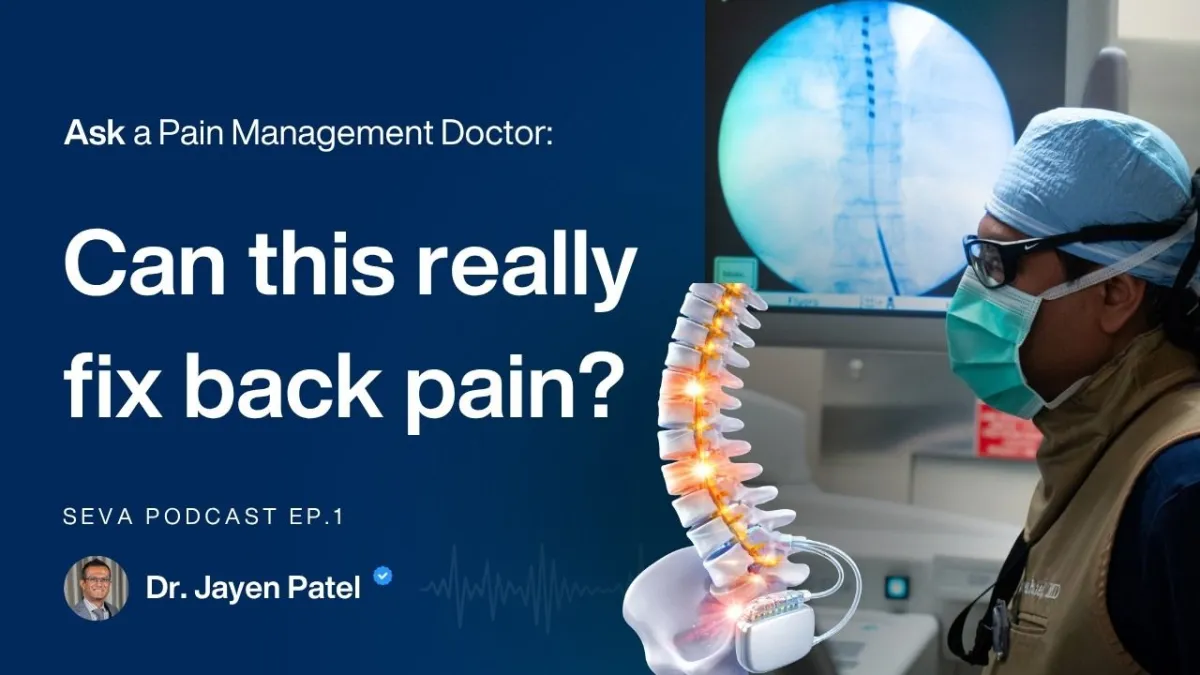 What Is Spinal Cord Stimulation? A Tulsa Pain Doctor Answers Real Patient Questions · 9 min read
 Spinal Cord Stimulation (SCS) — When Pain Has Stopped Responding to Everything Else · 9 min read
 Low Back Pain Explained A Patient Guide to Causes Symptoms and Modern Treatment Options · 5 min read
 When a Back-Pain Flare Hits, the Brain’s “Sense of Self” Network Lights Up · 3 min read
Related Pain News
View all conditions Joint, Knee & Musculoskeletal PainKnee arthritis, shoulder and hip pain, tendon injuries and joint inflammation.Read more
 Headache & Migraine PainMigraine, occipital neuralgia, tension and cluster headaches, and headaches after an inju…Read more
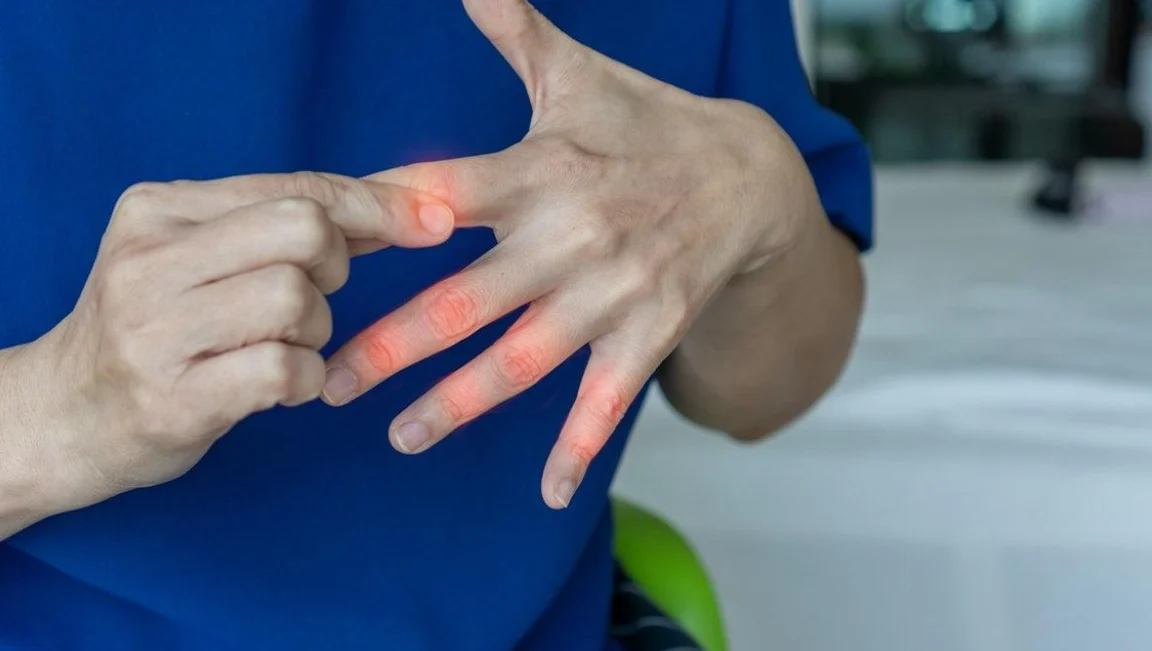 Nerve & Neuropathic PainPeripheral and diabetic neuropathy, CRPS, nerve entrapment and nerve pain after surgery.Read more
- Post-Surgical & Complex PainPain that continues after surgery or trauma, including failed back surgery syndrome and p…Read more