Pain by body region
Your browser has scripts turned off, so the figures are not clickable. The guidance for every region is listed below.
Head & face
Common causes: Tension-type headache and migraine; Neck-related (cervicogenic) headache; Sinus pressure, jaw (TMJ) strain or eye strain; Occipital neuralgia — irritation of nerves at the back of the skull.
Self-care: Regular sleep, meals and water; cut back on caffeine gradually; Heat or gentle stretching for a tight neck and shoulders; A dark, quiet room during a migraine attack.
Non-surgical options: Preventive and acute migraine medicines prescribed by a clinician; Occipital nerve blocks and Botox for chronic migraine; Physical therapy for neck-driven headache.
Neck
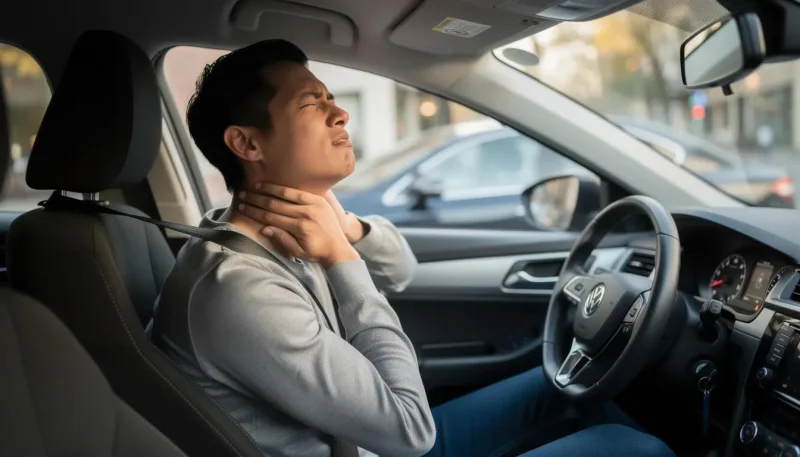
Common causes: Muscle strain from posture, screens or sleeping position; Cervical disc wear or a bulging disc pressing on a nerve; Facet joint arthritis; Whiplash after a motor vehicle accident.
Self-care: Heat, gentle range-of-motion exercises and good screen height; A supportive pillow; avoid sleeping on your front; Short-term over-the-counter pain relief if your pharmacist agrees.
Non-surgical options: Physical therapy and posture work; Cervical epidural steroid injections or facet injections for nerve or joint pain; Radiofrequency ablation for lasting facet pain.
Cervical spine (neck vertebrae)
Common causes: Degenerative disc disease and spondylosis; Herniated cervical disc; Spinal stenosis narrowing the canal.
Self-care: Posture breaks, gentle mobility work, heat for muscle tightness.
Non-surgical options: Physical therapy; Cervical epidural steroid injections; Facet joint injections and radiofrequency ablation.
Shoulder
Common causes: Rotator cuff strain or tendinopathy; Frozen shoulder (adhesive capsulitis); Arthritis of the shoulder or AC joint; Pain referred from the neck.
Self-care: Ice after activity, heat before stretching; Pendulum and wall-walk exercises within comfort.
Non-surgical options: Physical therapy; Image-guided shoulder joint injections; PRP therapy for selected tendon problems.
Chest & ribs
Common causes: Costochondritis — inflammation where ribs meet the breastbone; Rib or intercostal muscle strain; Intercostal nerve pain, including after shingles or surgery; Pain referred from the thoracic spine.
Self-care: Heat and gentle stretching once serious causes are excluded; Breathing exercises to keep the lungs expanding after a rib injury.
Non-surgical options: Intercostal nerve blocks; Trigger point injections; Physical therapy.
Abdomen
Common causes: Abdominal wall muscle strain or nerve entrapment; Chronic pancreatitis or other organ-related pain; Scar pain after surgery; Pain referred from the spine.
Self-care: Keep a food, bowel and pain diary to share at your appointment.
Non-surgical options: Celiac plexus block for pancreatic-type pain; Targeted nerve blocks for abdominal wall nerve pain; Trigger point injections.
Upper back & shoulder blades
Common causes: Postural muscle strain between the shoulder blades; Thoracic facet joint irritation; Rib joint (costovertebral) sprain; Referred pain from the neck.
Self-care: Heat, foam-roller or tennis-ball release of tight muscles; Thoracic extension stretches over a chair back.
Non-surgical options: Physical therapy and posture training; Trigger point injections; Facet injections or radiofrequency ablation for joint pain.
Thoracic spine (mid-back vertebrae)
Common causes: Vertebral compression fracture, often with osteoporosis; Thoracic disc problems (uncommon); Spondylosis and facet arthritis.
Self-care: Short rest then gradual walking; heat for muscle spasm.
Non-surgical options: Bracing and physical therapy; Kyphoplasty for painful compression fractures; Facet injections.
Middle back
Common causes: Muscle strain or spasm; Thoracic facet joint pain; Myofascial trigger points; Pain referred from organs (ask your doctor if it does not change with movement).
Self-care: Heat, gentle mobility, short walks; Ergonomic chair and screen set-up.
Non-surgical options: Physical therapy; Trigger point injections; Facet injections.
Lower back
Common causes: Muscle or ligament strain; Disc bulge or herniation; Facet joint arthritis; Sacroiliac joint dysfunction; Spinal stenosis.
Self-care: Walking, heat, gentle stretches such as knee-to-chest; Short-term pain relief as advised by a pharmacist; Sleep on your side with a pillow between the knees.
Non-surgical options: Physical therapy; Epidural steroid injections for nerve-related leg pain; Facet injections and radiofrequency ablation; Spinal cord stimulation for persistent nerve pain; Interspinous spacer for stenosis in selected patients.
Lumbar spine (lower vertebrae)
Common causes: Herniated lumbar disc; Degenerative disc disease; Lumbar spinal stenosis; Spondylolisthesis (a vertebra slipping forward).
Self-care: Gentle extension or flexion exercises depending on what eases the leg pain — a physical therapist can advise.
Non-surgical options: Physical therapy; Epidural steroid injections; Radiofrequency ablation; Spinal cord stimulation; Interspinous decompression.
Sacrum & tailbone
Common causes: Coccydynia (tailbone pain) after a fall or prolonged sitting; Sacroiliac joint dysfunction; Sacral stress fracture (rare, after a fall or in osteoporosis).
Self-care: Heat, pelvic floor relaxation, gentle hip and glute stretches.
Non-surgical options: Sacroiliac or ganglion impar injections; Radiofrequency ablation of the sacroiliac joint; Physical therapy.
Buttock & sacroiliac area
Common causes: Sacroiliac joint dysfunction; Piriformis syndrome irritating the sciatic nerve; Gluteal tendinopathy; Referred pain from the lumbar spine.
Self-care: Piriformis and hip stretches, walking, heat.
Non-surgical options: Physical therapy; Sacroiliac joint injections; Trigger point or piriformis injections; Radiofrequency ablation.
Hip
Common causes: Hip osteoarthritis; Gluteal tendinopathy or bursitis on the outer hip; Labral tear or impingement in younger adults; Referred pain from the lumbar spine.
Self-care: Weight management, cycling or pool exercise, hip-strengthening work.
Non-surgical options: Physical therapy; Image-guided hip joint or bursa injections; PRP or stem cell therapy for selected cases.
Pelvis & groin
Common causes: Chronic pelvic pain syndromes; Pelvic floor muscle tension; Bladder pain (interstitial cystitis) or prostatitis; Groin strain or hernia.
Self-care: Pelvic floor relaxation and breathing exercises; Bladder-friendly fluids; a symptom diary.
Non-surgical options: Pelvic floor physical therapy; Hypogastric plexus block; Targeted nerve blocks; Urology and incontinence care.
Upper arm
Common causes: Biceps or triceps tendon strain; Pain referred from the shoulder or neck (C5–C6 nerve roots); Muscle overuse.
Self-care: Relative rest, ice after activity, gradual strengthening.
Non-surgical options: Physical therapy; Cervical epidural injections if the neck is the source; PRP for tendon problems.
Elbow
Common causes: Tennis elbow (lateral) or golfer's elbow (medial) tendinopathy; Ulnar nerve irritation at the elbow (cubital tunnel); Elbow arthritis or bursitis.
Self-care: Forearm stretches and eccentric strengthening; A counter-force strap for tennis elbow.
Non-surgical options: Physical therapy; Image-guided injections; PRP therapy; Nerve blocks for ulnar nerve pain.
Forearm
Common causes: Repetitive strain of the forearm muscles; Nerve entrapment (radial or median nerve); Pain referred from the neck or elbow.
Self-care: Stretching, ergonomic keyboard and mouse position, ice after activity.
Non-surgical options: Physical or hand therapy; Nerve blocks; Trigger point injections.
Wrist & hand
Common causes: Carpal tunnel syndrome; Osteoarthritis at the base of the thumb or finger joints; De Quervain's tenosynovitis; Complex regional pain syndrome after a fracture or surgery.
Self-care: Tendon-glide exercises, heat for stiff joints, ice for inflamed tendons.
Non-surgical options: Hand therapy and splints; Image-guided injections; Stellate ganglion blocks and peripheral nerve stimulation for CRPS; Ketamine infusion for severe CRPS in selected patients.
Thigh
Common causes: Hamstring or quadriceps strain; Meralgia paresthetica — a compressed skin nerve on the outer thigh; Sciatica or femoral nerve pain from the spine; Hip arthritis referring pain to the front of the thigh.
Self-care: Gentle stretching after warming up, gradual return to activity.
Non-surgical options: Physical therapy; Nerve blocks; Epidural injections if the spine is the source.
Knee
Common causes: Knee osteoarthritis; Meniscus or ligament injury; Patellofemoral (kneecap) pain; Tendinopathy or bursitis.
Self-care: Quadriceps strengthening, weight management, ice after activity.
Non-surgical options: Physical therapy; Knee joint injections; Genicular nerve blocks and radiofrequency ablation; Genicular artery embolization; PRP or stem cell therapy.
Calf & shin
Common causes: Calf muscle strain or cramps; Shin splints from overuse; Sciatica referring pain down the leg; Peripheral neuropathy (burning feet and calves); Vascular causes — pain walking that eases with rest.
Self-care: Calf stretches, supportive footwear, gradual training increases.
Non-surgical options: Physical therapy; Epidural injections or spinal cord stimulation for nerve pain; Lumbar sympathetic blocks for certain nerve and circulation-related pain.
Ankle
Common causes: Ankle sprain and ligament instability; Achilles tendinopathy; Ankle arthritis; Tarsal tunnel nerve compression.
Self-care: Balance and calf-strength exercises, supportive shoes.
Non-surgical options: Physical therapy and bracing; Image-guided injections; Nerve blocks; PRP therapy.
Heel
Common causes: Plantar fasciitis; Achilles insertion tendinopathy; Heel fat-pad bruising; Nerve entrapment (Baxter's nerve).
Self-care: Calf and plantar fascia stretches, cushioned heel inserts, rolling the foot on a frozen bottle.
Non-surgical options: Physical therapy and orthotics; Image-guided injections; PRP therapy; Shock-wave therapy.
Foot & toes
Common causes: Peripheral neuropathy (diabetes, chemotherapy, other causes); Morton's neuroma between the toes; Metatarsal stress or arthritis; Bunions and toe joint arthritis.
Self-care: Wide, cushioned shoes; metatarsal pads; good blood sugar control if diabetic.
Non-surgical options: Nerve blocks and medicines for neuropathic pain; Spinal cord stimulation (including 10 kHz) for painful diabetic neuropathy; Peripheral nerve stimulation; Image-guided injections.



 Back & Neck Pain
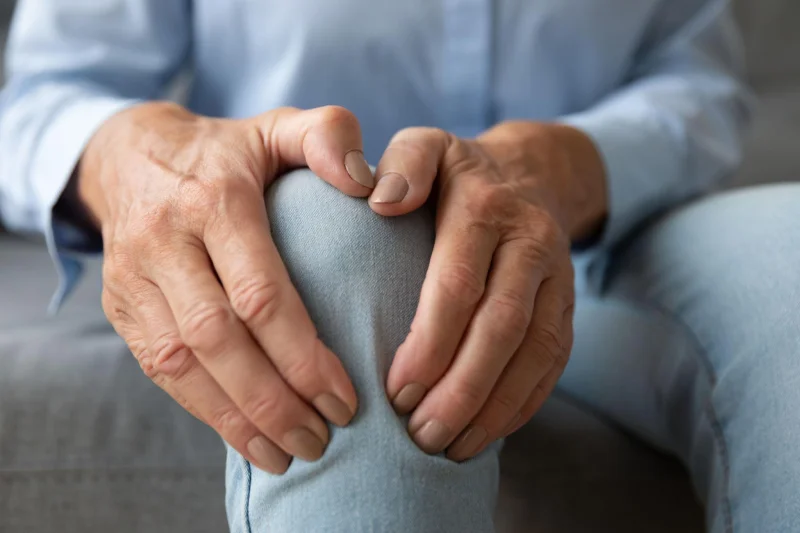 Joint, Knee & Musculoskeletal Pain
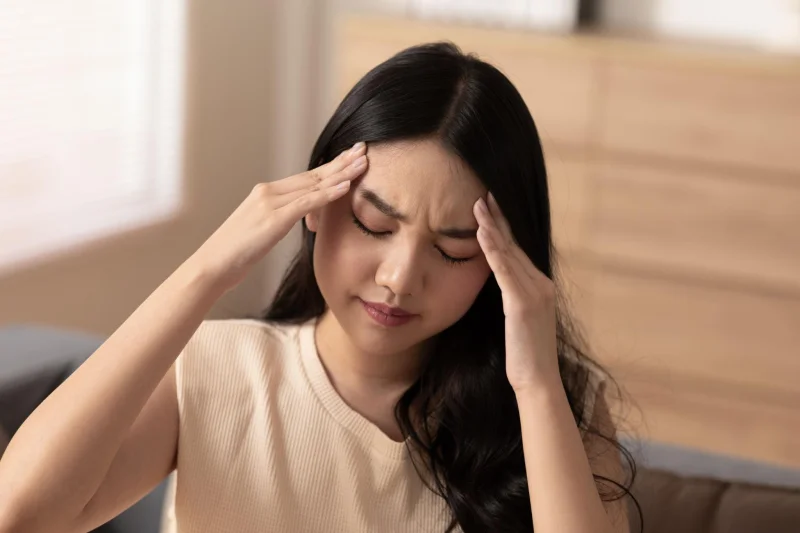 Headache & Migraine Pain
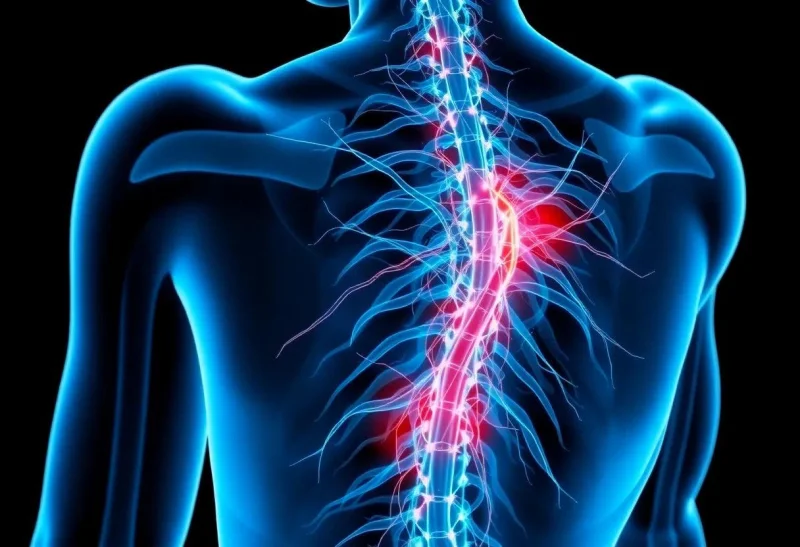 Nerve & Neuropathic Pain
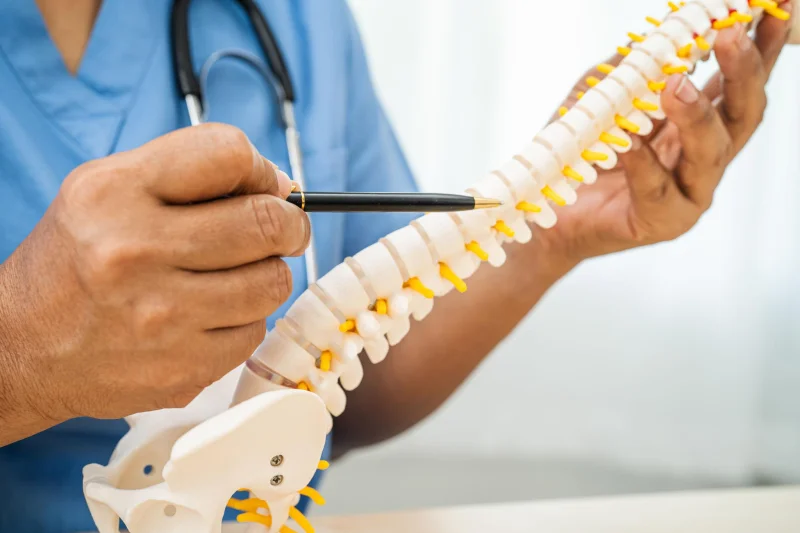 Post-Surgical & Complex Pain
 Abdominal & Pelvic Pain
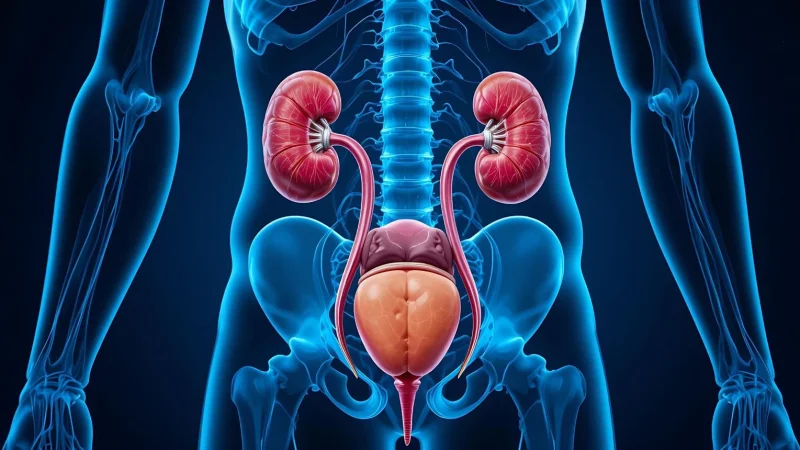 Urology & Incontinence
 Motor Vehicle Accident Care
 Dallas
 Dallas
 Tulsa
 Tulsa
 Santa Fe
 Santa Fe