Sponsored content by SEVA Healthcare
Guide Joint, Knee & Musculoskeletal Pain
Knee Osteoarthritis: Why Moving Usually Helps, and When to Ask About More
Osteoarthritis is the most common form of arthritis and has no cure — but there is a great deal that reduces pain and keeps people moving. Here is the ground most plans are built on.
This article is general health information written by our editors from the sources listed below. It has not yet been medically reviewed — see our medical review policy. It is not advice for your situation.
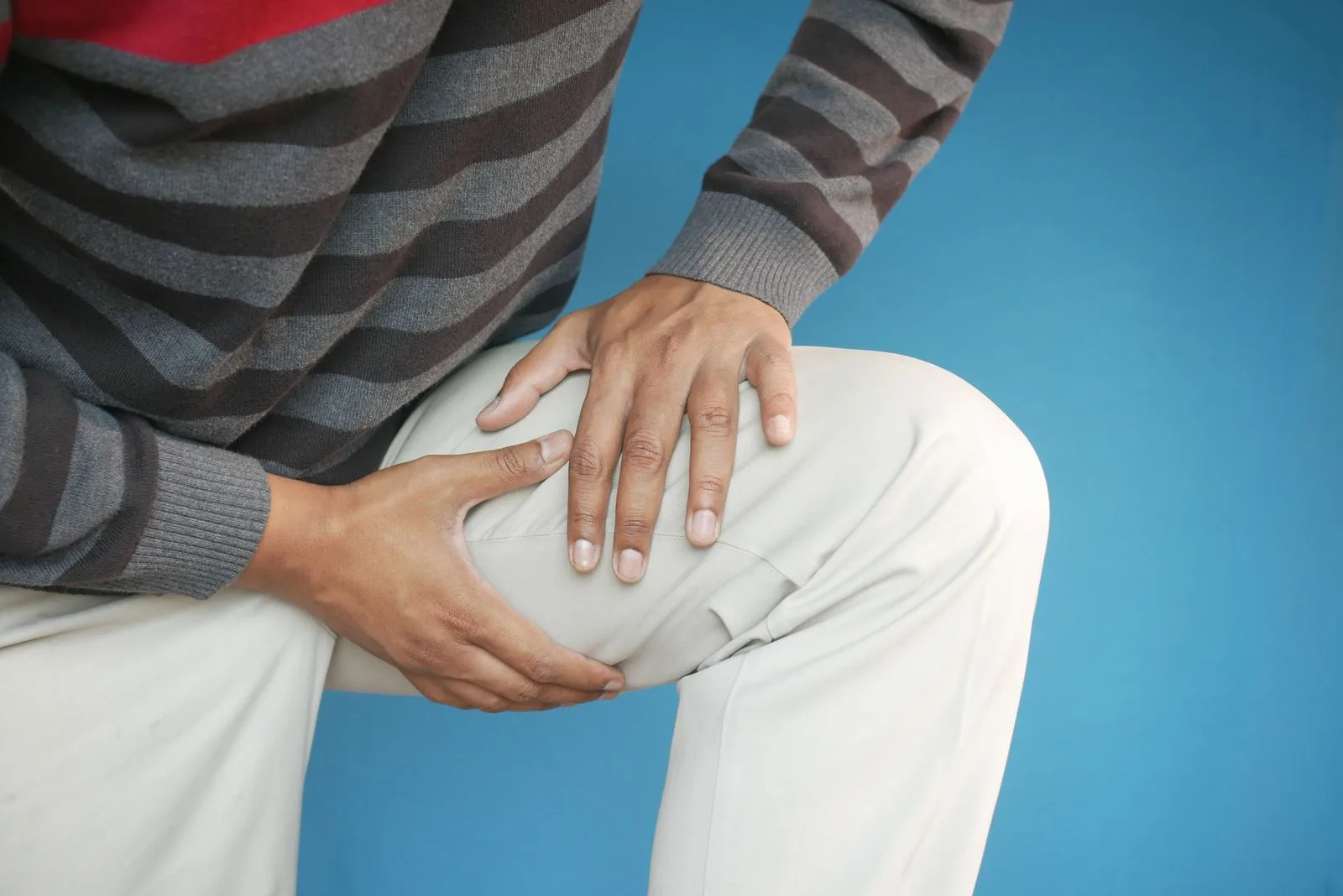
The first signs are small. The knee is stiff when you stand up from the sofa and loosens after a few steps. A long day on your feet leaves it swollen and sore; a night’s rest settles it. Stairs — especially going down — start to need the handrail. This is the everyday shape of knee osteoarthritis, and for many people it begins years before they say the word to a doctor.
What is happening in the joint
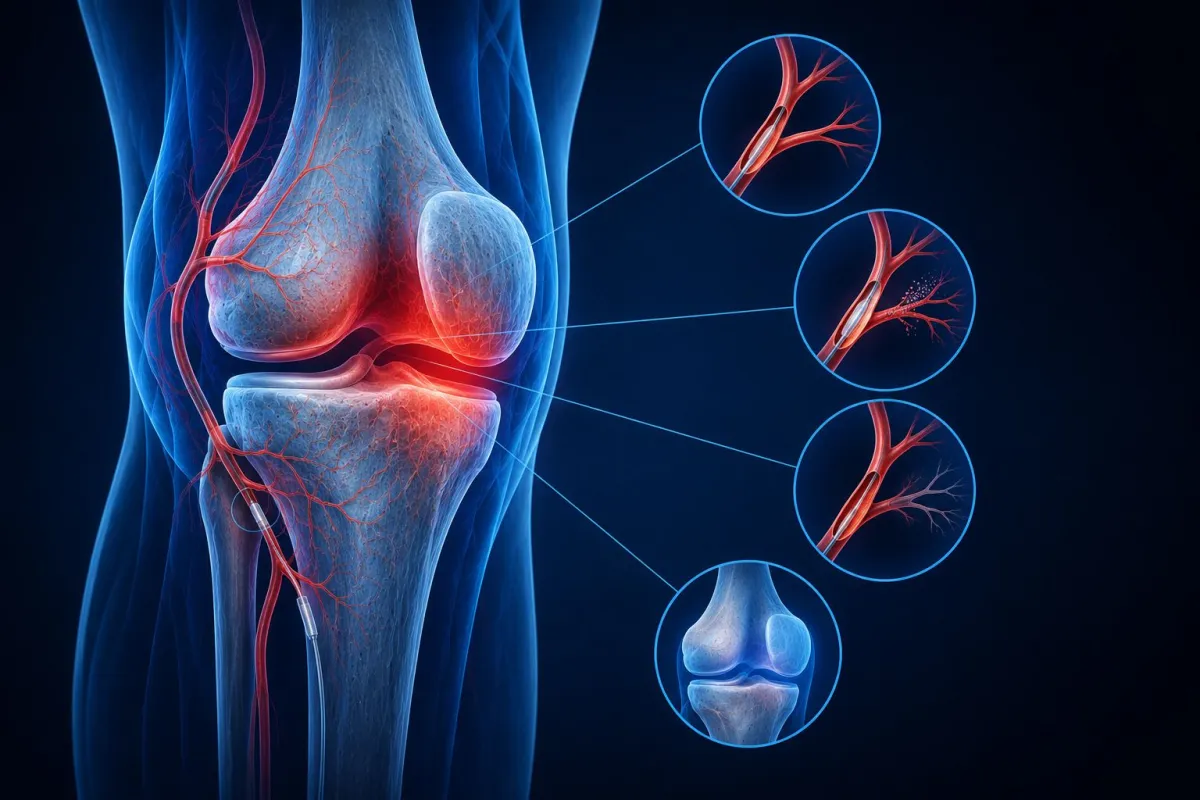
In a healthy knee the ends of the bones are covered with smooth, slippery cartilage that pads them and lets them glide. In osteoarthritis that cartilage breaks down and roughens; in places it can wear away so that bone rubs on bone, and bumps of extra bone — spurs — may grow around the joint. According to MedlinePlus, osteoarthritis is the most common type of arthritis, usually worsens slowly and has no cure, but a great deal can be done to manage symptoms. Not everyone with osteoarthritis on an X-ray has pain, and the amount of change seen on imaging does not always match how much it hurts.
Who gets it
Osteoarthritis can happen at any age, but the chance rises in middle age and later, and after 50 it is more common in women than men. Being overweight adds load to knees and hips. Previous joint injuries, repetitive heavy use of the joint and a family history also raise the risk.
Why clinicians keep saying “keep moving”
It sounds counter-intuitive when the knee hurts, but regular appropriate activity and stronger muscles around the joint generally reduce pain and stiffness over time, and losing excess weight reduces the load with every step. The key word is appropriate: the right type and amount depend on the state of the joint and on other conditions, which is why a physical therapist or clinician should help set a starting point. Warm-ups, supportive footwear, heat before activity and cold after a flare are common low-risk measures. Walking aids and simple adaptations are tools for keeping doing what matters, not signs of defeat.
When the basics are not enough
When exercise, weight management and simple pain relief no longer hold the line, there are further options before anyone talks about replacing the joint. SEVA Healthcare lists the following for knee and joint pain on its official page:
- Joint injections (knee, shoulder, hip) — corticosteroid or anaesthetic injected into the joint to calm inflammation.
- Genicular artery embolization (GAE) — a minimally invasive procedure that reduces the excess blood flow to the inflamed lining of an arthritic knee; SEVA describes it as an option for people hoping to delay or avoid knee replacement.
- Platelet-rich plasma (PRP) and stem cell therapy — regenerative injections using the patient’s own blood or cells. Evidence for these varies by condition and they are not covered by all insurance plans, so ask about the evidence and the cost.
- Peripheral nerve stimulation (PNS) — a small device near a nerve to interrupt pain signals, for pain that persists despite other treatments.
Listing a treatment does not mean it suits every knee. Which, if any, is appropriate depends on an individual evaluation, and joint replacement remains the right answer for some people.
When to be seen promptly
A hot, red, swollen joint with fever, a knee that suddenly cannot bear weight, or a visible deformity after an injury needs prompt medical attention rather than self-management.
Questions to discuss with your clinician
- Is this osteoarthritis, an injury or an inflammatory arthritis — and how do you know?
- Which exercises are safe for my knee, and should I see a physical therapist?
- What are my options before considering replacement, what does the evidence say about each, and what would each cost me?
- If an injection or procedure is suggested, how long does relief usually last and how often can it be repeated?
The Joint, Knee & Musculoskeletal Pain page gathers our coverage and links to SEVA Healthcare’s official page.
Frequently asked questions
Why is exercise recommended when my knee already hurts?
Regular appropriate activity and stronger muscles around the joint generally reduce pain and stiffness over time, and losing excess weight reduces the load with every step. The right type and amount depend on the state of the joint and other conditions, so a physical therapist or clinician should help set a starting point.
Does a worse X-ray mean more pain?
Not necessarily. Not everyone with osteoarthritis on an X-ray has pain, and the amount of change seen on imaging does not always match how much it hurts.
What options exist before knee replacement?
SEVA Healthcare lists joint injections, genicular artery embolization (GAE), platelet-rich plasma (PRP) and stem cell therapy, and peripheral nerve stimulation for knee and joint pain. Which, if any, is appropriate depends on an individual evaluation, and joint replacement remains the right answer for some people.
When should knee symptoms be checked promptly?
A hot, red, swollen joint with fever, a knee that suddenly cannot bear weight, or a visible deformity after an injury needs prompt medical attention rather than self-management.
Sources
- Osteoarthritis — MedlinePlus (NIH), 2026-10-16
- Knee & Joint Pain — SEVA Healthcare (official service page), 2026-10-16
This article is sponsored content by SEVA Healthcare and is for general information only — it is not medical or legal advice. Treatment options depend on an individual evaluation, and results vary from person to person. In an emergency, call 911. Spotted an error? See our corrections policy.